
Save or print this page by clicking on “Download” below:
Accountability Window: Feb. 27-29
February 25, Sunday
An audio recording of the following reading is available below.

XXX
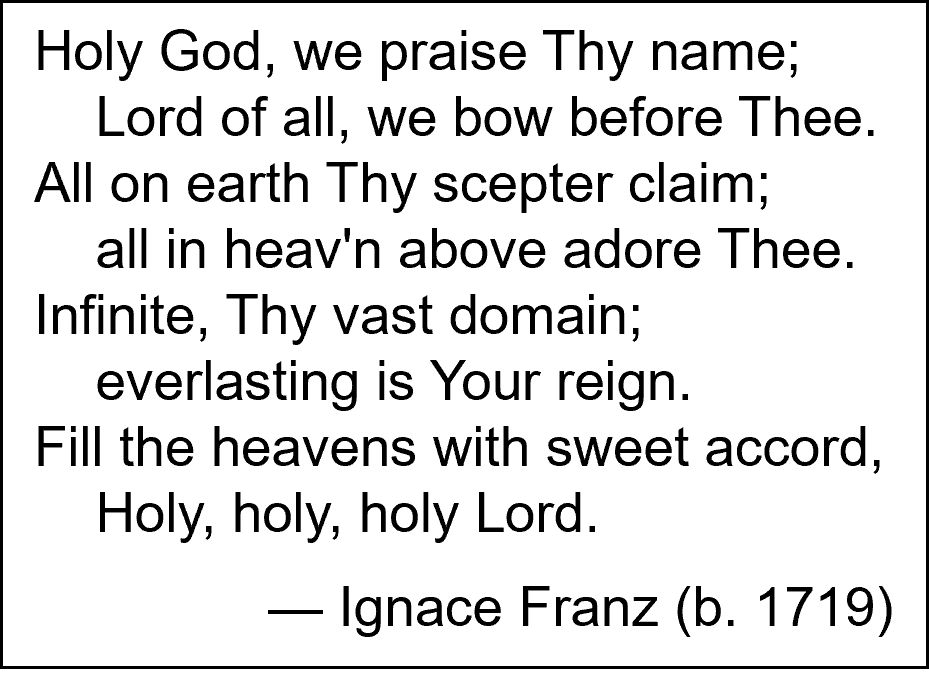
I Will Be Sanctified — These two brothers had just seen the miraculous fire come from God to consume the sacrifices Aaron had placed on the altar, and they were amazed along with all who saw it (9:24). They also apparently saw it as something magical they could experiment with, so they constructed their own way to worship God. Whereas God had instructed Aaron exactly what he should do in presenting offerings, no instructions were given to Nadab and Abihu to do what they did (10:1). They wanted to worship God in their own way. Their fundamental fault was explained by God as not treating Him as holy: “Among those who are near me I will be sanctified” (10:3), meaning “I will be treated as holy.” We see other times in the OT that individuals or groups of people did not treat God as holy, and they paid the penalty for it. I think many Christians today have loosened their appreciation of the holiness of God. God lives within us, and He is our Father and our Friend, but He is still holy, and we should treat Him as such. When we pray to Him, we should respect His holiness. We are talking to the Creator of the universe and the Savior of our souls. Worship Him in holiness!
Holy God, We Praise Thy Name – YouTube
XXX
February 26, Monday
An audio recording of the following reading is available below.

XXX
Clothed with Peace — David was in danger from King Saul and had fled to Ziklag, but many loyal supporters followed him. Amasai was one of them, but David challenged his loyalty by asking if he came in friendship or in betrayal (v. 17). Before he answered, “the Spirit clothed Amasai” (v. 18). This expression of being “clothed” with the Spirit was used regarding only two other people in the OT, one being Gideon, about whom we already read in Judges 6:34, and the other being Zechariah (2 Chron. 24:20). Gideon was clothed with power, he had called for people to come to fight with him; Amasai was clothed with a message of peace and with a prophecy of God’s presence and help (v. 18). That sounds like our NT commission, doesn’t it? Even better than being temporarily “clothed” with the Holy Spirit, we are permanently indwelt by Him. Our message is also one of peace. Jesus came “preaching good news of peace” (Acts 10:36; cf. Eph. 2:17) and was “making peace by the blood of his cross” (Col. 1:20). Now, Jesus “himself is our peace” (Eph. 2:14), and “the fruit of the Spirit is … peace…” (Gal. 5:22).

XXX
February 27, Tuesday———————-ACCOUNTABILITY TIME!
An audio recording of the following reading is available below.
XXX
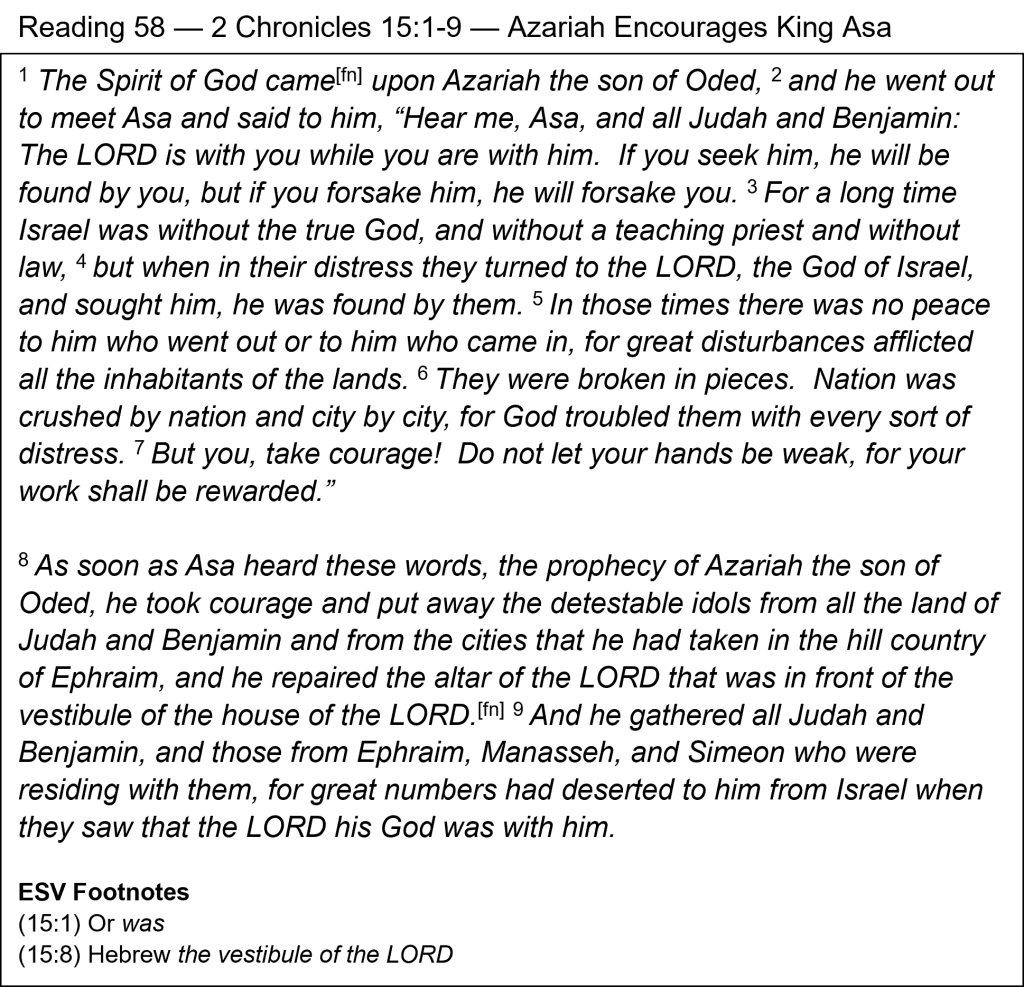
Prophesied Reward — Today we see another OT example of the Holy Spirit “coming upon” someone (v. 1). This otherwise unknown man named Azariah was used by God to be a prophet (verse 8 calls his message “the prophecy of Azariah”). We saw earlier that one of the names of the Holy Spirit is “the Spirit of prophecy” (Rev. 19:10). Azariah first proclaimed the principle that God is with those who seek Him (2 Chron. 15:2). He looked back in time and repeated the statement David made to his son, Solomon, “If you seek him, he will be found by you” (1 Chron. 28:9). He looked back even further to the vacillating time of the judges when worship of Yahweh was periodically abandoned, and they were “without a teaching priest and without law” (2 Chron. 15:3). It was only when they were in distress that “they turned to the LORD” (v. 4). We need to remember when we are distressed that trouble is sometimes brought on by God in order to turn hearts toward Him (v. 6). The core of Azariah’s prophecy from the Holy Spirit was this promise of victory: “…your work shall be rewarded” (v. 7). That “work” was the cleansing of Judah and Benjamin from the worship of false gods, and King Asa was therefore challenged to “take courage.” Because of that prophecy from the Holy Spirit, Asa continued his reforms and “great numbers … deserted to him from Israel” (v. 9). He reigned for an amazing 41 years. God rewards obedience.
ACCOUNTABILITY TIME! If you are up to date in your reading as of today, please
click here to leave your email address or let me know at accbibleread@gmail.com.
XXX
XXX
February 28, Wednesday—————-ACCOUNTABILITY REMINDER
An audio recording of the following reading is available below.

XXX
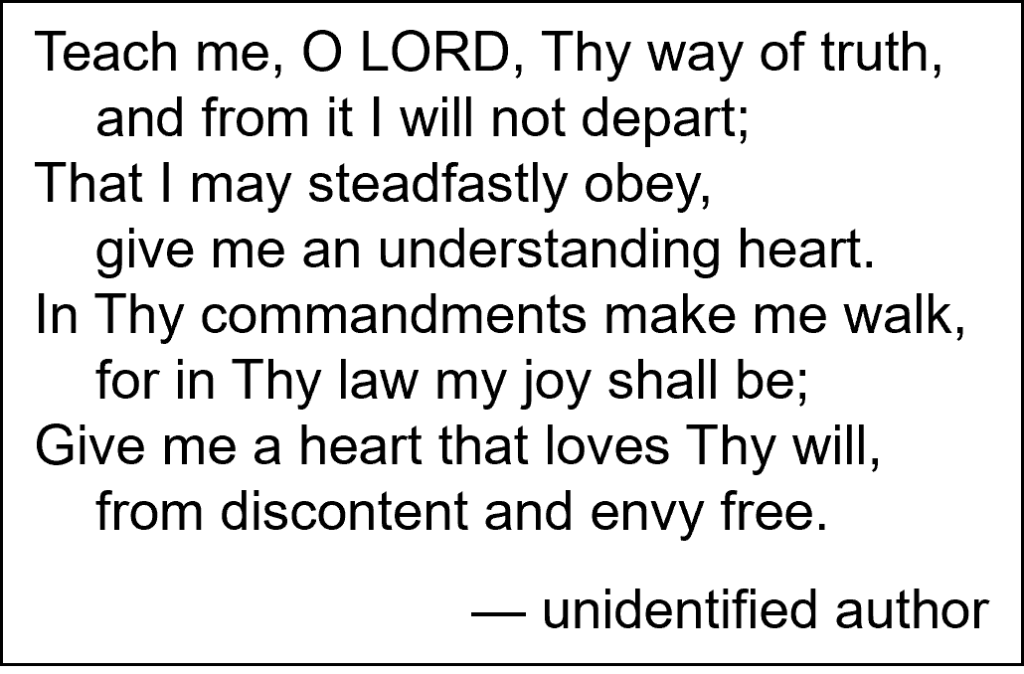
Speaking Only the Truth — The Holy Spirit is mentioned only once in this passage (v. 23), and it came from the mouth of a false prophet, Zedekiah, who was influenced by a lying spirit sent by God. That is disturbing, isn’t it? Although God cannot do evil, He occasionally used evil people and spirits to accomplish His purposes, as we saw earlier when “the Spirit of the LORD departed from Saul, and a harmful spirit from the LORD tormented him” (1 Sam. 16:14). King Ahab of Israel was a wicked man and God had determined to end his life, using the prophet, Micaiah, to predict it. The king knew that Micaiah always told the truth, and that it was only negative concerning Ahab. The summoning messenger begged Micaiah to speak favorably to the king, but the prophet declared that only “what my God says, that will I speak” (2 Chron. 18:13). It cost him imprisonment, but he was determined to only do what was right. Is that the way we live? The Holy Spirit has given us what is right in God’s Word. Are we always obedient, or might we sometimes lie when threatened by a negative consequence for telling the truth? King Ahab insisted on hearing only the truth from Micaiah, but he either didn’t recognize it as truth, or he chose to ignore its warning. He paid for it with his life. When we know the truth, we must walk in it.
Teach Me, O LORD, Thy Way of Truth – YouTube
ACCOUNTABILITY REMINDER If you are up to date in your reading as
of today, but did not report yesterday, please click here to leave your
email address or let me know at accbibleread@gmail.com.
XXX
XXX
February 29, Thursday————-ACCOUNTABILITY FINAL DAY
An audio recording of the following reading is available below.
XXX
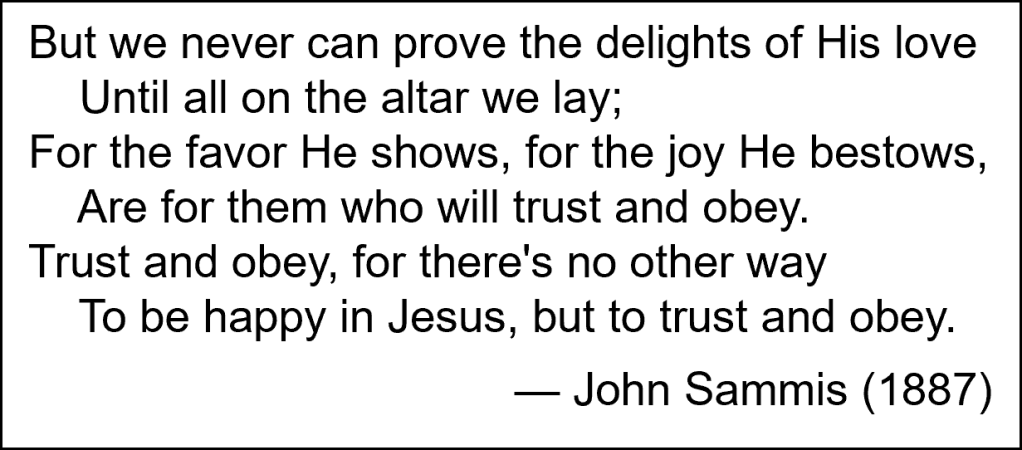
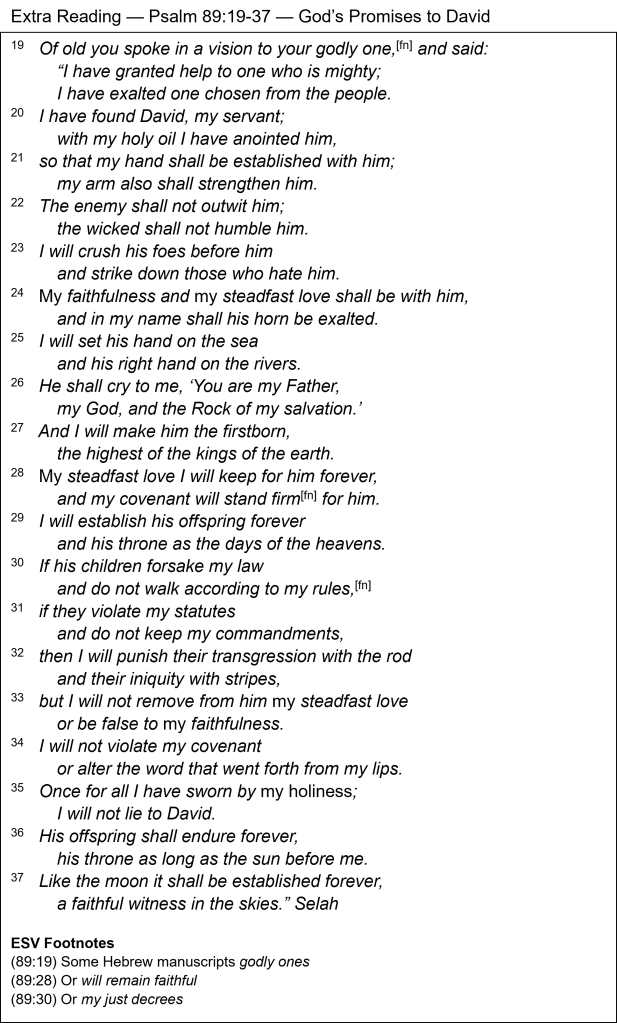
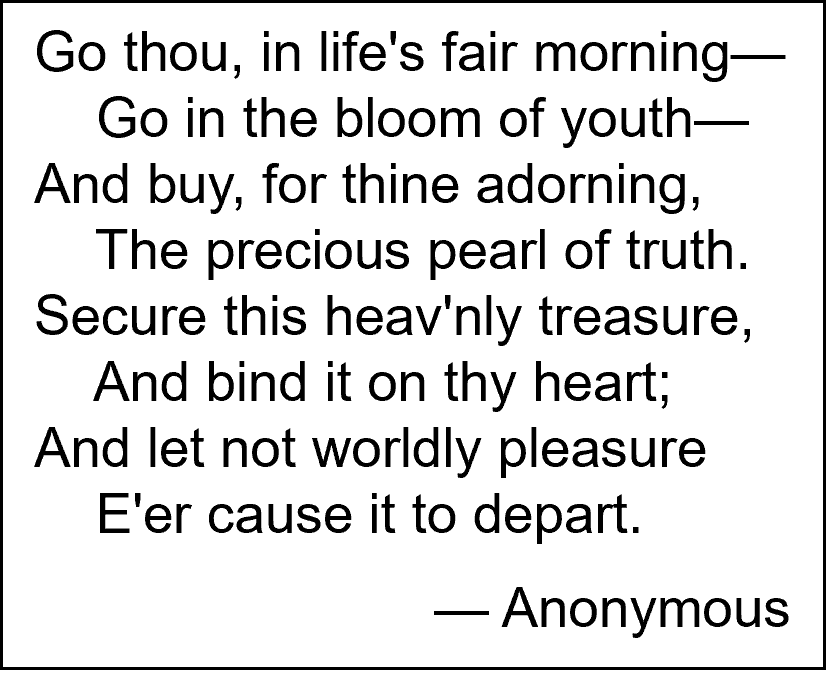
My Holiness — In this passage, focusing on David’s kingdom and his successors, God refers to “my steadfast love” (vv. 24, 28, 33) and “my faithfulness” (vv. 24, 33). Then, in verse 35, He speaks of holiness in the context of truth: “I have sworn by my holiness; I will not lie to David.” One must be truthful to be holy, and God is our example. He said, “Once for all I have sworn by my holiness.” It was a truth that would last (“Once for all…”), and it was an absolute truth that could be relied on (“…I have sworn”). Can your words be counted on? If they can, you stand out as being different in the culture around you, which often laughs at the idea of always being truthful. Even some Christians cave into the idea that there is such a thing as a “little white lie.” Not if you are holy! As Paul instructed us, “Therefore, having put away falsehood, let each one of you speak the truth…” (Eph. 4:25). Let’s build a reputation for being truthful because of our desire to be holy.
I found no video for this hymn:
ACCOUNTABILITY FINAL DAY! If you have not yet reported for this month,
please let me know your reading status today at accbibleread@gmail.com.
XXX
XXX
March 1, Friday
An audio recording of the following reading is available below.

XXX
Blowing Spirit — Earlier in this chapter, Judah’s King Jehoshaphat was told that a huge three-nation army from the southeast had come to fight Judah. The king called for fasting, gathered people to the temple court, and prayed a lengthy prayer for God’s help, concluding with, “We do not know what to do, but our eyes are on you” (v. 12). The Lord’s answer was immediate as “the Spirit of the LORD came upon Jahaziel … a Levite … in the midst of the assembly” (v. 14). Nothing more is known about Jahaziel, but the Holy Spirit came upon him powerfully with a very detailed prophecy of what was going to happen, how Judah would not have to fight, and that they would see God give them the victory. The end of this chapter tells us that in the morning, the people of Judah, led by musicians, went to the appointed place, only to find that God had set the three opposing nations against each other and all of them had been killed. Most of us probably feel like Jahaziel — just one in the crowd — but the Holy Spirit, like the wind, still “blows where it wishes … but you do not know where it comes from or where it goes” (John 3:8). You might be moved by the Spirit to say something to a crowd of people or to a single individual that will give them encouragement to tackle a task, to trust God, or to direct them in an important step in their lives. Blow, Spirit, blow!
O Spirit of the Living God – YouTube

XXX
March 2, Saturday
An audio recording of the following reading is available below.
XXX
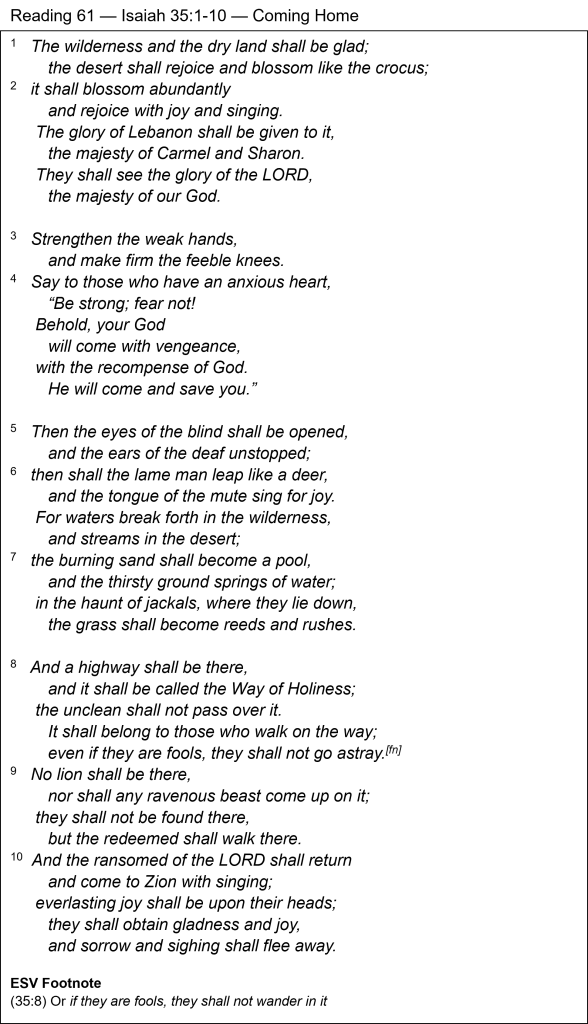
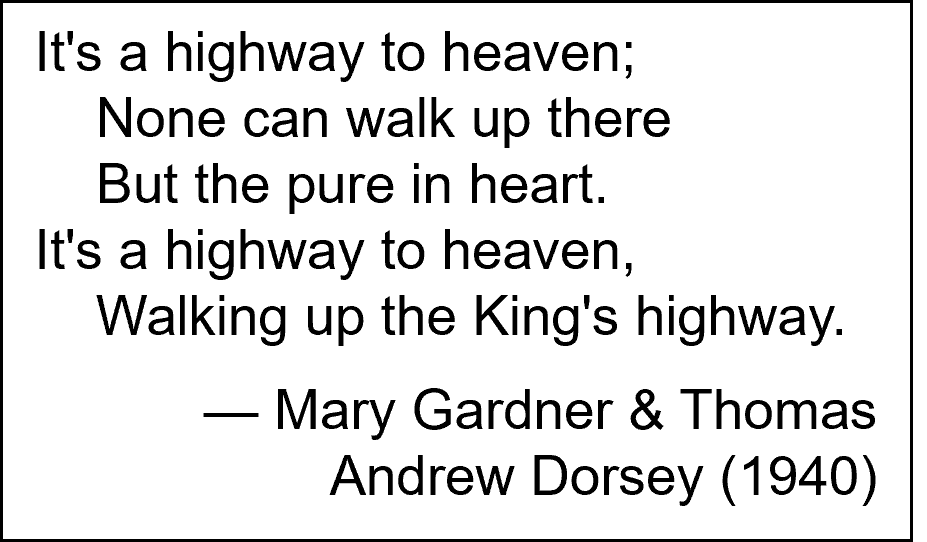
Highway of Holiness — When the people of Israel were slaves in Egypt, God promised them, “I will redeem you … I will bring you into the land that I swore to give to Abraham … I will give it to you” (Ex. 6:6, 8). He led them through the Red Sea and eventually into the land of Canaan. Almost 700 years later, Judah was facing a 70-year exile in Babylon, and Isaiah was giving them hope that “God … will come and save you” (Isa. 35:4) and lead them back to Zion. Isaiah then prophesied about another rescue by God, when the Messiah would come, healing the blind, deaf, lame, and mute (vv. 5-6), and open “a highway … called the Way of Holiness” (v. 8). That is the spiritual Highway to Heaven, the ultimate Promised Land. It is called “the Way of Holiness” because only “the redeemed shall walk there” (v. 9), those cleansed by the blood of Christ and separated by God as being holy. Along that Way and in that Land, “the ransomed of the LORD shall return … with singing … [with] everlasting joy … [and] gladness” (v. 10).
Walking Up the King’s Highway – YouTube
 accbibleread.com