
Save or print this page by clicking on “Download” below:
December 3, Sunday
An audio recording of the following reading is available below.

XXX
XXX
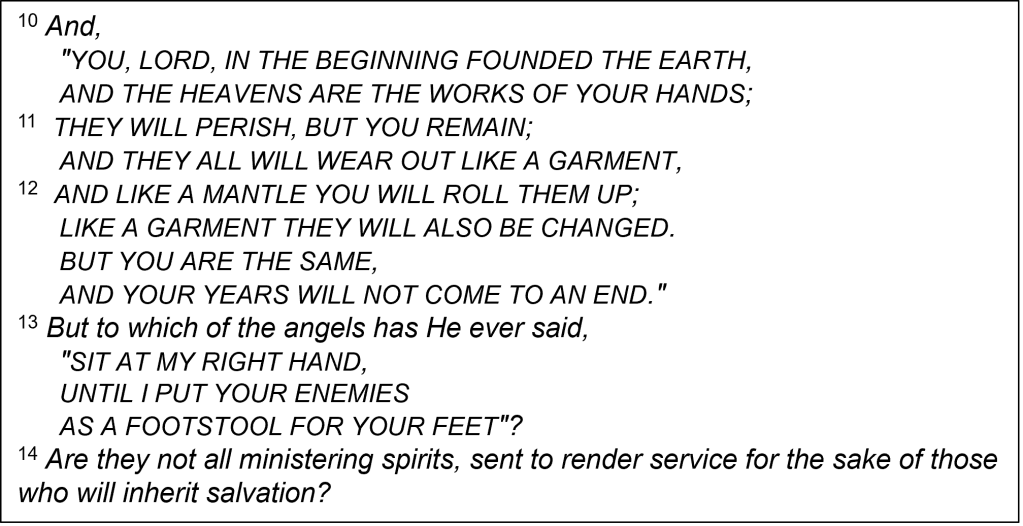
Better Than the Angels — We could have spent a whole week studying the images of Jesus in this chapter. An overall theme is that He is “so much better than the angels” (v. 4), and much evidence of that fact is given in these verses. First, He was “appointed heir of all things” (v. 2), much more than the “double portion” given to the firstborn son in a Jewish family. Second, He was the creator of all things and upholds all things (vv. 2, 3). Third, He is “the exact representation” of the Father (v. 3), so that Jesus could tell Philip, “He who has seen Me has seen the Father” (John 14:9). Fourth, He provided “cleansing for sins” (Heb. 1:3), which angels could not accomplish. Fifth, He sits at the right hand of the Father (v. 3), a place of supreme authority, while angels gather around to worship the deity seated there. Sixth, He has “a more excellent name” (v. 4) than angels, the “name” describing one’s total character. Finally, He is the Son of God (v. 5), not a created being like the angels. Verse 8 is another one of the seven places in the NT where the Greek word for God (théos) is used to describe Jesus: “But of the Son He says, ‘Your throne, O God, is forever and ever.’” Like the Father, Jesus is also Yahweh. Let us worship Him like the angels do, this humble but exalted Savior.
Meekness and Majesty – YouTube

XXX
December 4, Monday
An audio recording of the following reading is available below.

XXX
Temporary but Eternal — Yesterday, we read about how Jesus was superior to the angels, but today’s reading says that He was “for a little while lower than the angels” (v. 9a). It was a temporary condition brought on by the necessity that Jesus would become a man for about 30 years so “He might taste death for everyone” (v. 9b), i.e., for the benefit of everyone. That also means that we humans are lower than the angels, who are powerful created beings, can appear to humans in a physical form, are intelligent, and worship and serve God. Jesus humbled Himself to become one of us. This passage also shows the superiority of Jesus, as the Father subjected “the world to come” to Him (v. 5). He is now “crowned with glory and honor” (v. 9). That should remind us that we are also living in a temporary condition. Our time on earth is only a small part of our eternal existence that we will share with Jesus in heaven.
This World Is Not My Home – YouTube

XXX
December 5, Tuesday
An audio recording of the following reading is available below.
XXX
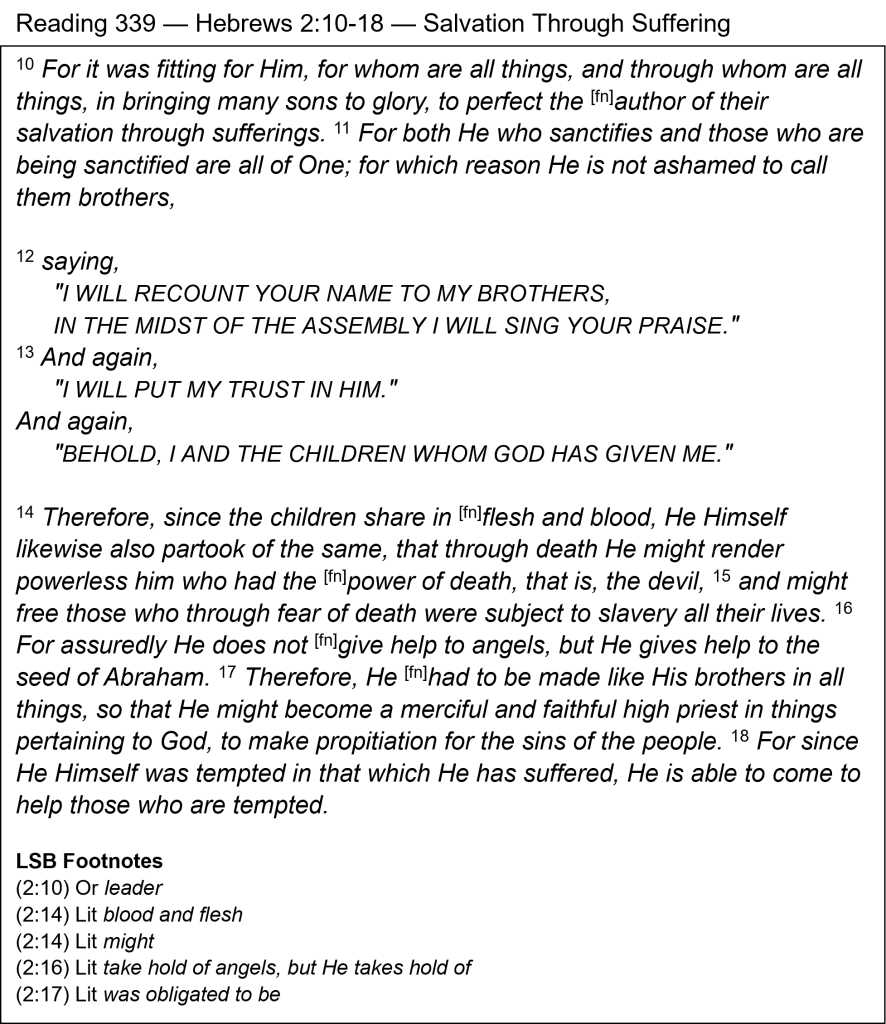
Like Us — The author of Hebrews points out two ways it was necessary for Jesus to be like us. First, He had to become a human, to “share in flesh and blood” (v. 14). Since we “are all of One” with Him, He can call us brothers (v. 11). We believers belong to the family of God. Christ also had to become human to be the perfect sacrifice, a propitiation (v. 17) that satisfied the demands of God’s wrath and cancelled our sin. He was our substitute, the like-us high priest who offered Himself to take the penalty for our sin. Second, Christ had to become human to be subjected to the temptations of the flesh so that He could “help those who are tempted” (v. 18). Jesus knows what it is like to be tempted with the same things that attract us toward sin. He was not only our successful example in conquering His temptations, but He is our helper in giving us the wisdom to see its danger and the strength to refuse its draw. He wants to “free those who … were subject to slavery,” involving the fear of death (v. 15) and fleshly temptations. He was just like us, except that He never gave in to temptation. The next time you are faced with a temptation to do what you know is wrong, remember that Jesus knows from experience what you are going through, and He is willing to help you through the crisis by supplying supernatural ability for you to conquer it.
Yield Not to Temptation – YouTube

XXX
December 6, Wednesday
An audio recording of the following reading is available below.
XXX
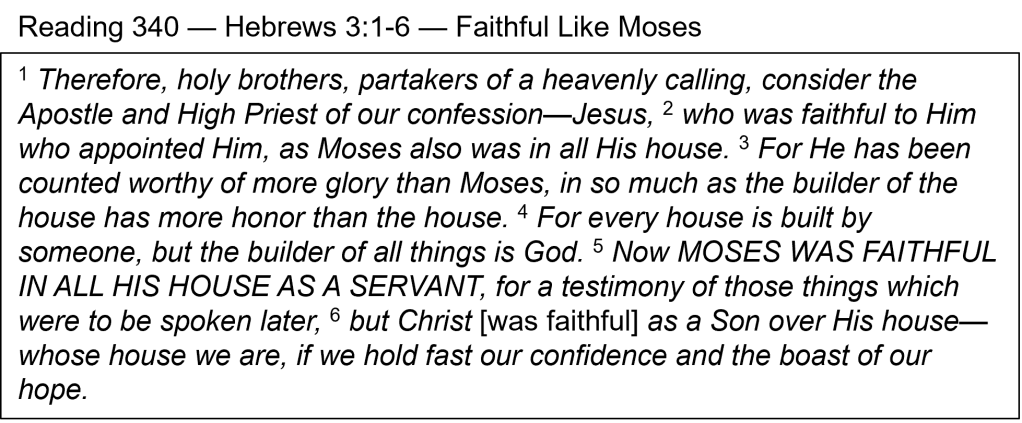
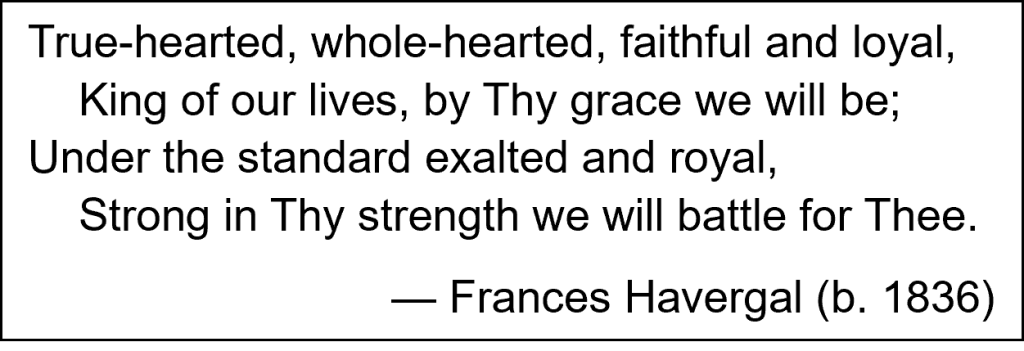
Faithful Examples — Jesus was called “the Apostle” (sent one) and “High Priest of our confession” (v. 1), both being leadership positions. He was sent to lead. The primary focus of this paragraph, however, was that Jesus “was faithful to Him who appointed Him” (v. 2). The Father appointed the Son to be “over His house—whose house we are” (if we are faithful—v. 6). Moses was presented as an example to us, but Jesus was much more faithful than Moses. Moses killed a man and was initially reluctant to accept God’s call to lead Israel out of Egypt, but Jesus is our perfect example. As a result of His greater faithfulness, Jesus was “counted worthy of more glory than Moses” (v. 3). There is a reward for faithfulness. How are you doing in being an example of faithfulness? Do our children or grandchildren brag about our faithfulness? We are an example, and examples tend to be followed. Faithfulness is probably the godly characteristic most praised and urged in Scripture. Committing yourself to reading God’s Word every day is part of your development of faithfulness. Keep it up!
True-Hearted, Whole-Hearted – YouTube
XXX
December 7, Thursday
An audio recording of the following reading is available below.
XXX
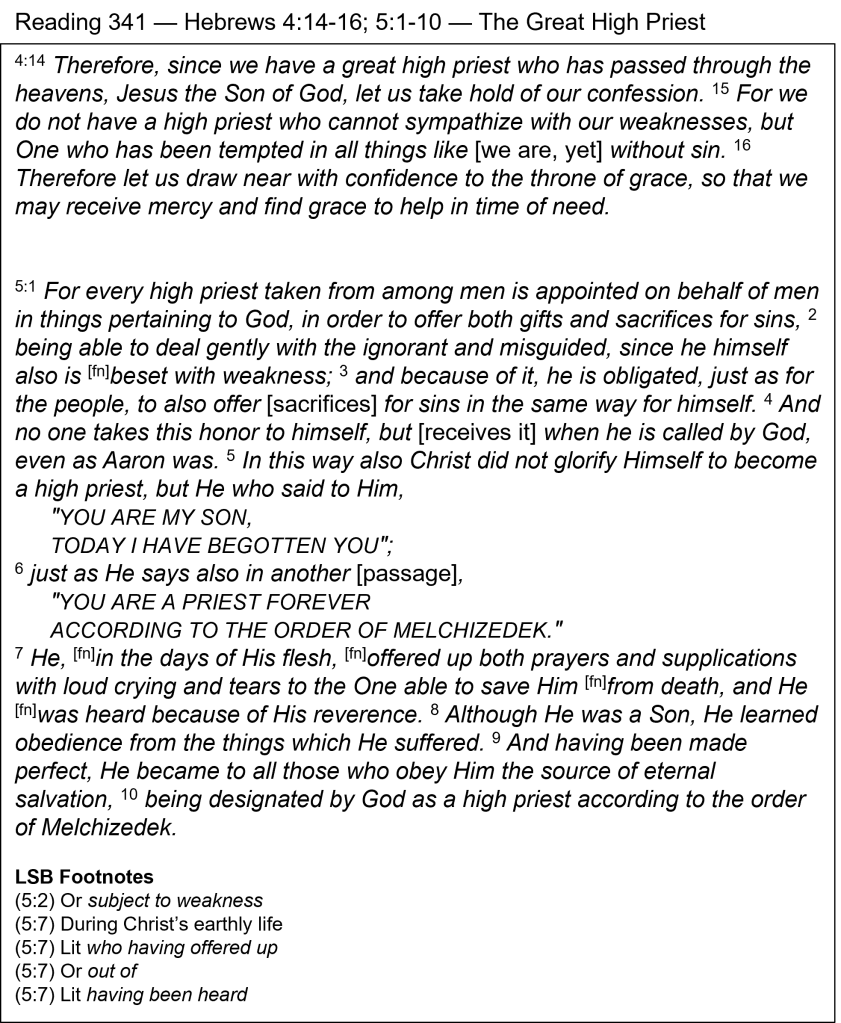
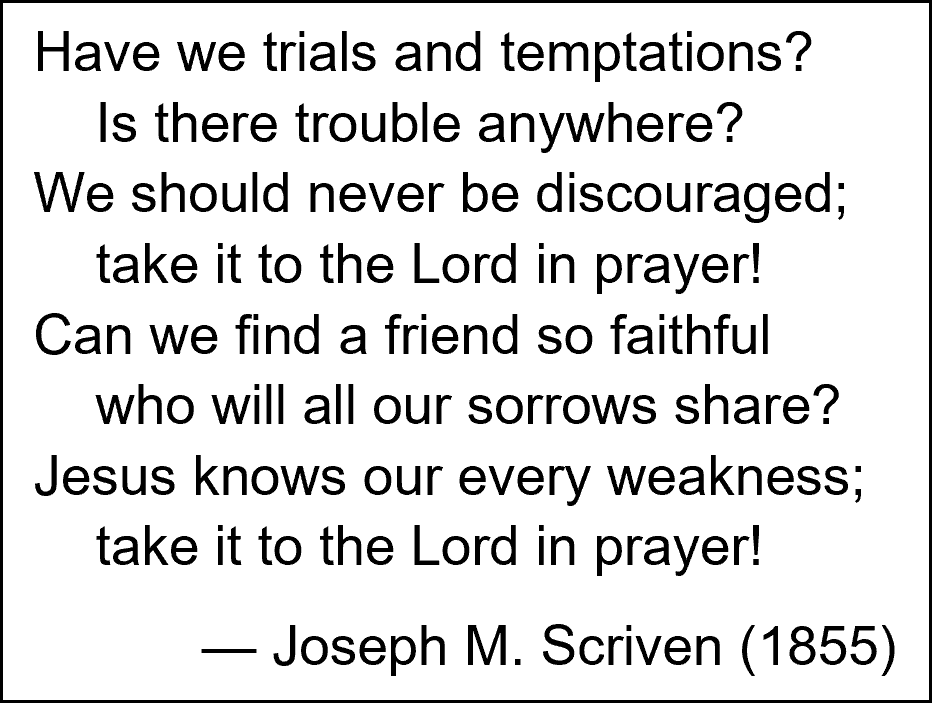
Eternally Holy — We read earlier how Jesus was greater than the angels; in today’s reading we see that He is also greater than the OT priesthood. The writer of Hebrews gave two reasons. First, He is greater in holiness. The OT priests had to offer sacrifices for themselves because they also sinned, but the sinless Jesus offered Himself as the ultimate and final sacrifice for our sins. He is sympathetic with our temptations because He experienced the same urges. He empathizes with us as we go through the frequent struggles of being tempted to sin. Jesus never sinned nor was He ever disobedient, but He experientially “learned” what obedience was like during suffering (v. 8). Second, Jesus is greater in calling. The OT priests were called by God from the tribe of Levi, but Jesus was called “according to the order of Melchizedek” (v. 10). That mysterious Melchizedek was both “king of Salem [Jerusalem, and] … a priest of God Most High” (Gen. 14:18). David said that Melchizedek was “a priest forever” (Ps. 110:4), and Hebrews repeats it about Jesus. He is the eternal, holy High Priest.
What a Friend We Have in Jesus – YouTube
XXX
December 8, Friday
An audio recording of the following reading is available below.
XXX
XXX
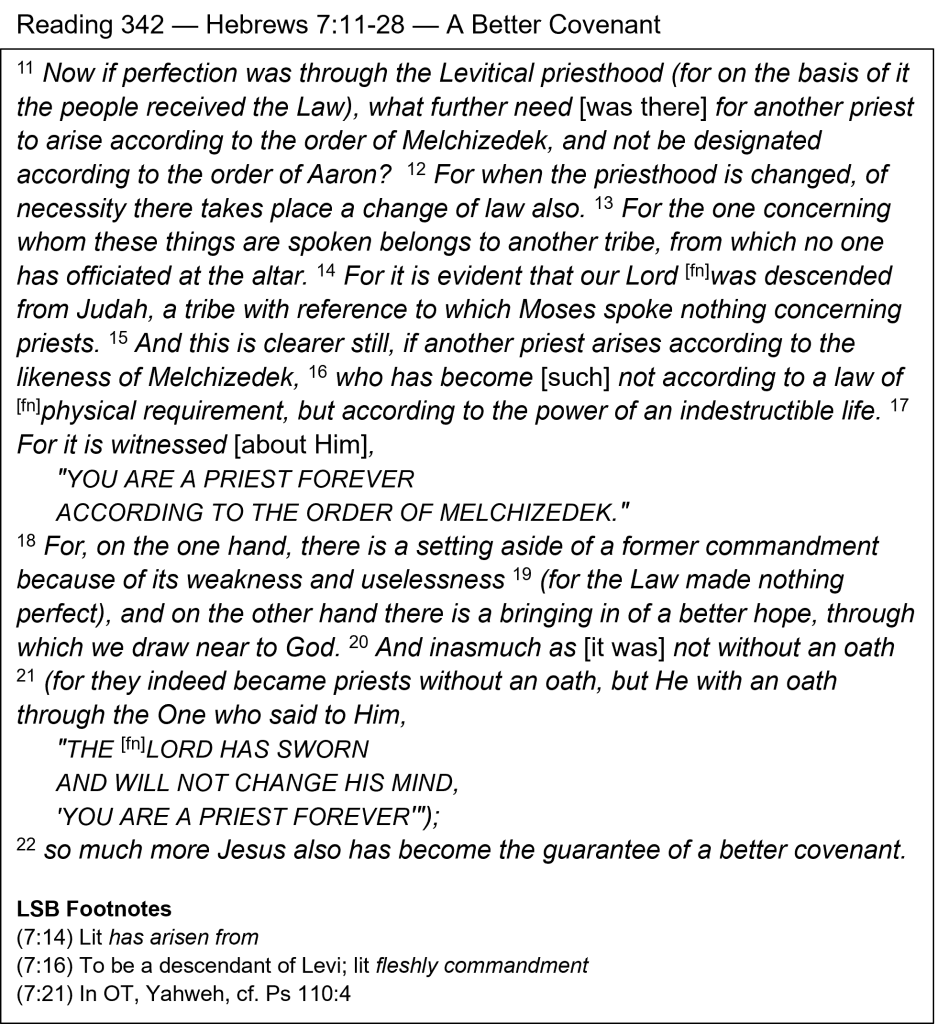
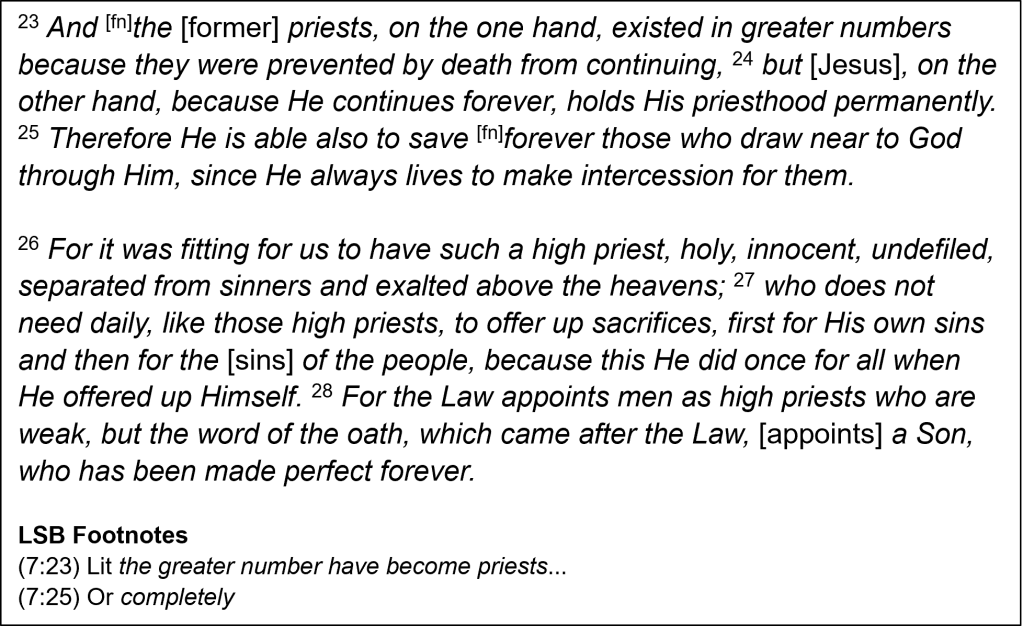
Permanent Change — Yesterday we read what is repeated in today’s reading, that Jesus was the promised “priest forever” (vv. 17, 21). That is one of several differences from the OT priesthood. The OT priests died and needed to be replaced, while Jesus lives forever, as demonstrated by His resurrection (vv. 23-24). It was a new kind of priesthood. The OT priests all descended from Aaron of the tribe of Levi, whereas Jesus was a priest, but from the tribe of Judah (v. 14). Like the priesthood of Melchizedek, this also showed it to be a new kind of priesthood. The OT priests were sinful and needed to repeatedly offer sacrifices for their own sins, but Jesus was sinless and made a single, sufficient sacrifice, not for Himself, but of Himself, for the sins of others (v. 27). His priesthood was different. The Mosaic Law, that required these OT practices, was no longer required after Jesus’ sacrifice. That old covenant, which could not permanently cleanse sins, needed to be replaced by a new covenant that brought eternal salvation (vv. 18-19). When the priesthood is changed, the Law must change as well (v. 12). Those ceremonial practices must be set aside (v. 18) to make way for the salvation that was paid for by the death of Jesus. We have a better covenant (v. 22) and a better hope (v. 19) because of our Savior, Jesus Christ.
The eight stanzas of this hymn wonderfully
summarize the message of our reading today.
Jesus, in Thee Our Eyes Behold – YouTube

XXX
December 9, Saturday
An audio recording of the following reading is available below.
XXX
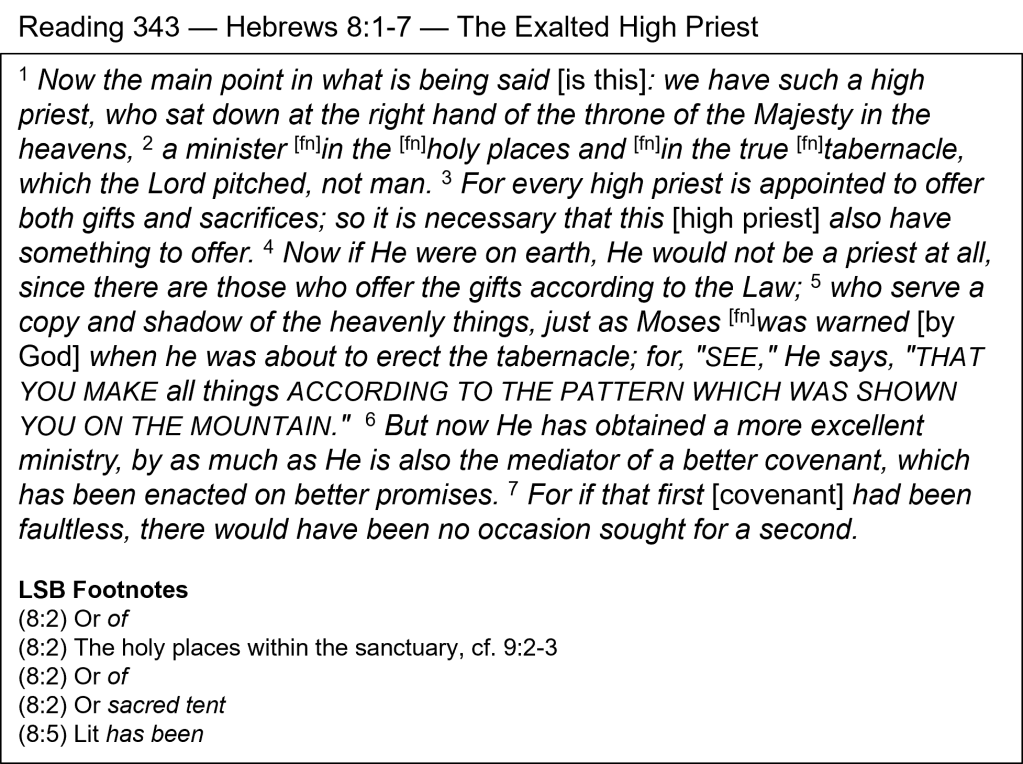
Not Wrong but Weak — The Mosaic Law needed to be replaced because it was lacking (v. 7). It was never intended to bring permanent forgiveness that would make people perfect. It was always intended that Jesus would bring about the perfect and permanent solution to people’s sin. He would offer Himself as the perfect sacrifice that would never have to be repeated. His priesthood would be practiced from “the right hand of the throne of the Majesty in the heavens” (v. 1). What the high priests did on earth under the old covenant was only “a copy and shadow of the heavenly things” (v. 5). Jesus would function from heaven with “a more excellent ministry … a better covenant … enacted on better promises” (v. 6). Those better promises are fulfilled in Christians today, as we may see in reading ahead in verses 8-12. What a privilege we have in not being required to be under the temporary provisions of the Old Testament Law! Our sins were dealt with once for all at the cross, and our acceptance of that holy sacrifice cleanses us from our sinful bondage.
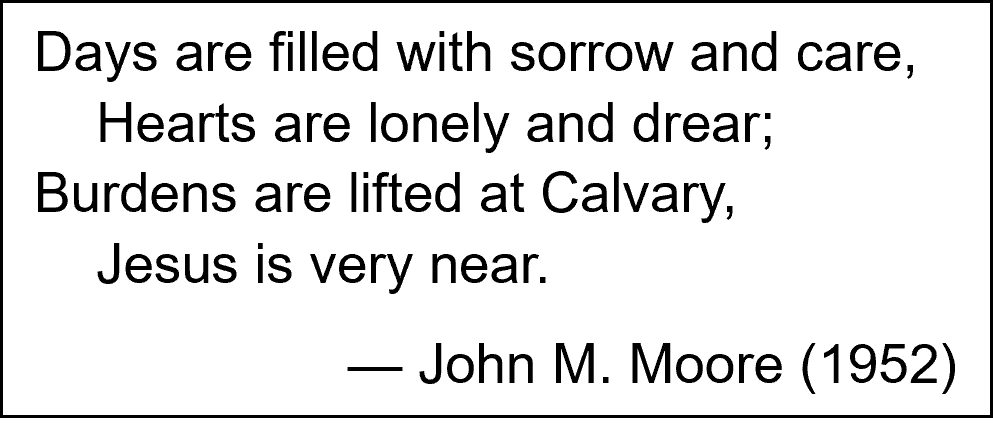
Burdens Are Lifted at Calvary – YouTube
 accbibleread.com