Save or print this page by clicking on “Download” below:
November 12, Sunday
An audio recording of the following reading is available below.
XXX
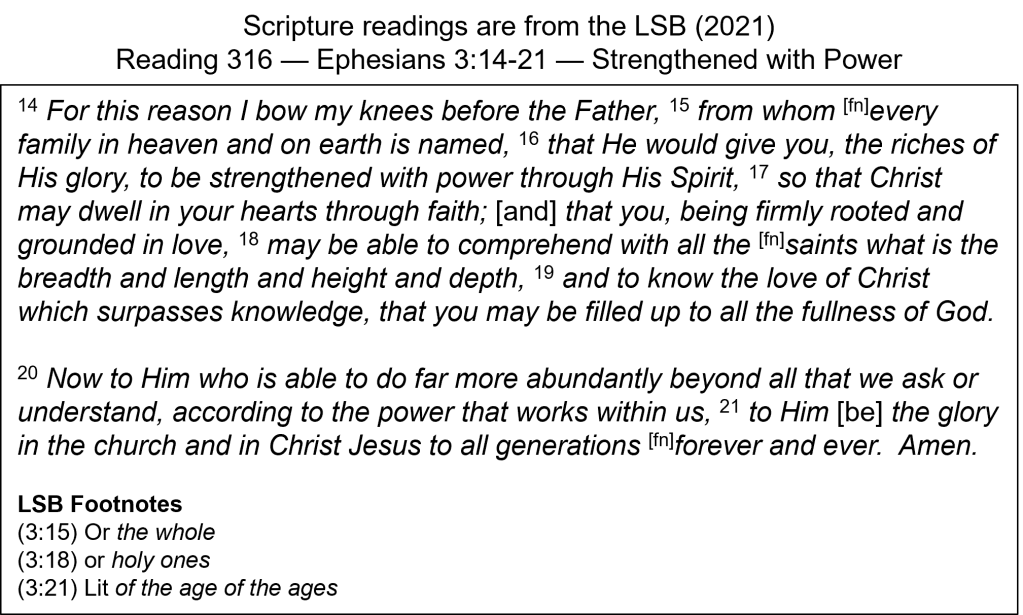
Indwelling Love — Two aspects of our relationship with Christ are mentioned in Paul’s prayer for the Ephesians. The first is Christ’s indwelling presence: “…that Christ may dwell in your hearts through faith” (v. 17). It is through faith that Christ comes to dwell in our hearts at the time of conversion, but Paul’s prayer was for people who were already Christians. Faith isn’t a one-time thing; it is something that continues and should grow in the life of a believer. Paul also thanked God for Christians in Thessalonica because their “faith is growing abundantly” (2 Thess. 1:3). When our faith grows, we put more trust in God and what He wants to do in us and through us. We become more dependent and productive when Christ dwells in our hearts through faith. Paul’s second prayer for the Ephesians was for them “to know the love of Christ which surpasses knowledge” (Eph. 3:19). This is more than just knowing about Christ’s love; it is experiencing it. It is something that “surpasses knowledge.” A young person may know about love by observing their parents or watching a film, but they don’t really know it until they experience it. Neither is this experiential knowledge a one-time thing; love grows. Like a tree that grows from a seed to a sapling, to a strong and stately thing of beauty, our love for Christ should constantly be maturing.
My Jesus I Love Thee – YouTube

XXX
November 13, Monday
An audio recording of the following reading is available below.

XXX
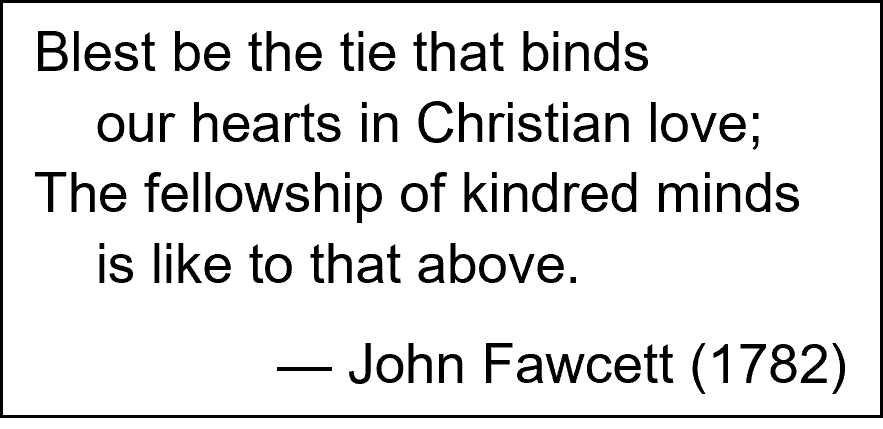
Ties of Unity — The obvious theme of this passage is unity, and the context is that of the Church, the collection of the people of God in groups around the world. What is it that ties these people together in a bond of unity? The first is the bond of peace, “being diligent to keep the unity of the Spirit in the bond of peace” (v. 3). Keeping that peace is done with attitudes of humility, gentleness, patience, and love (v. 2). Unity is not forced from a leader, but it is a divine melting together of the tender attitudes of God’s people. The second bond of unity is gifts. Christ gave the Church gifts of leadership (apostles, prophets, evangelists, pastors, and teachers—v. 11). Their purpose is to unify and build up the body of Christ by equipping them for service (or ministry). The third bond of unity is stability. We are to be mature, not like children who are fascinated by glittering distractions, not being led astray by changing doctrines motivated by tricky, crafty, and scheming men (vv. 13-14). The last bond of unity is Christ Himself, acting as head of the Church (v. 15). He is the head, and we are the body; He makes us function. We are “to grow up … into Him” (v. 15). Our unity is found in Him; He is our peace, our giver of gifts, our stability, and our head.
Blest Be the Tie That Binds – YouTube
XXX
November 14, Tuesday
An audio recording of the following reading is available below./
XXX
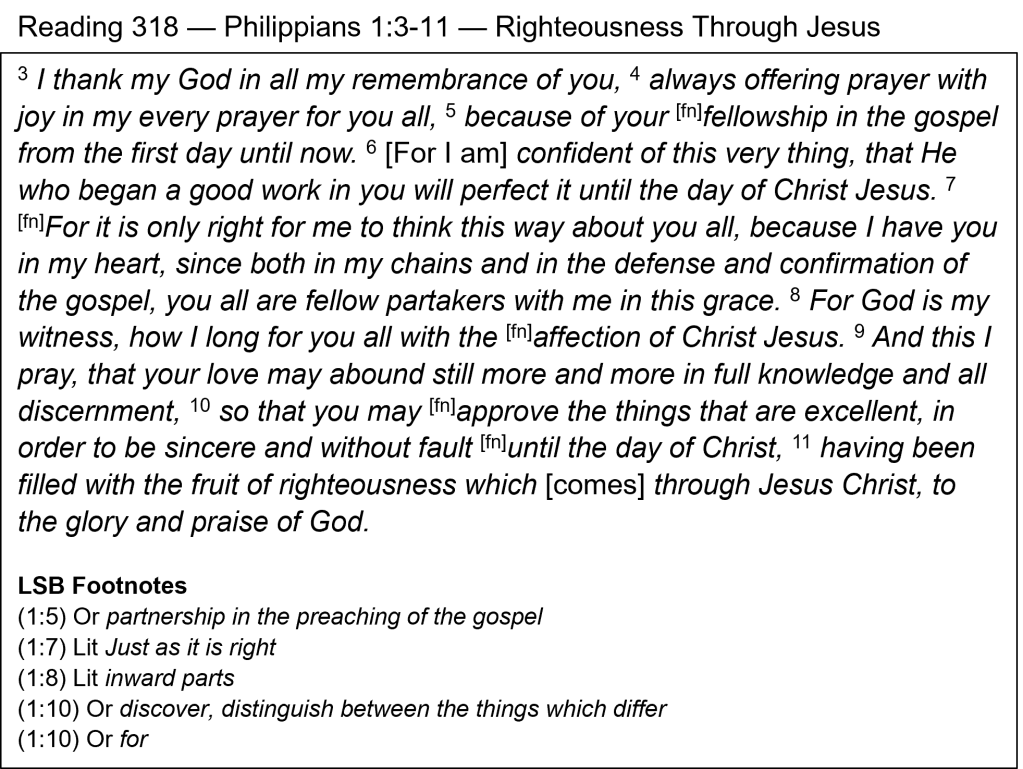
Affection and Righteousness — Paul opened his letter with tender prayers for those people in Philippi who supported him financially in his ministry. His loving feelings for them are obvious. He compared those feelings, in fact, with those of Jesus: “with the affection of Christ Jesus” (v. 8). The Greek word for “affection” here is often translated “heart,” describing the very core of one’s emotions. Paul loved them the way that Christ loved them. Jesus is the author, example, and source of our love. John wrote, “We love, because He first loved us” (1 John 4:19). Our reading for today also says that Jesus is the source of our righteousness: “…having been filled with the fruit of righteousness which comes through Jesus Christ” (Phil. 1:11). We have no righteousness of our own, but what we have comes from Jesus; it is His righteousness. Jesus is loving and righteous, and as we grow in our relationship with Him, we are made more loving and righteous.
Love Divine All Loves Excelling – YouTube

XXX
November 15, Wednesday
An audio recording of the following reading is available below.
XXX
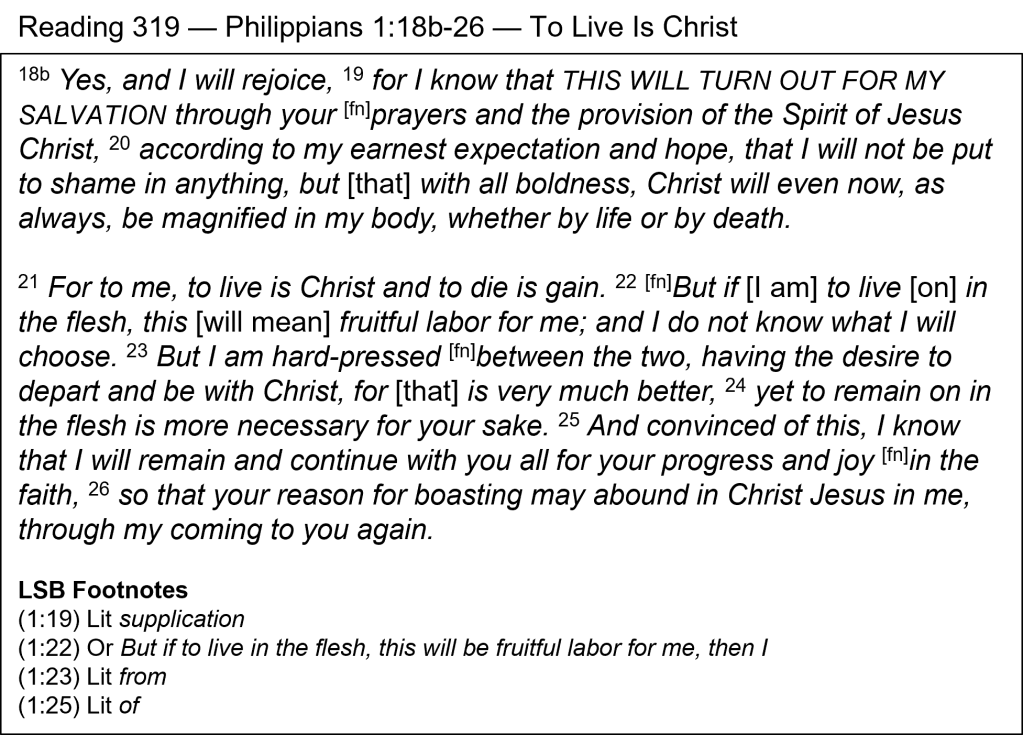
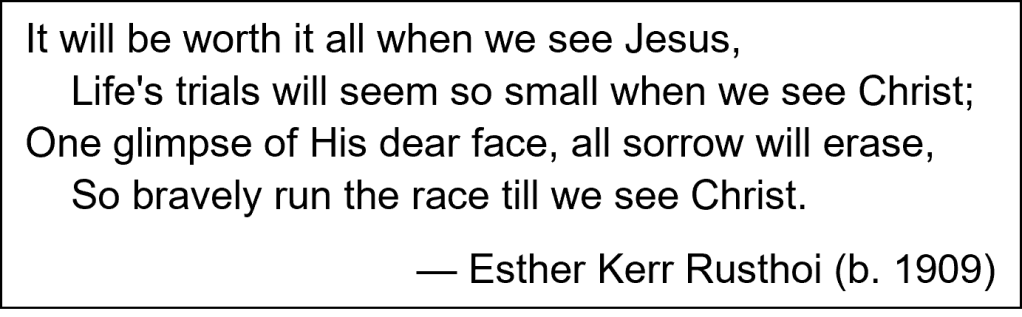
To Live For or to Be With — Paul presents a dilemma here, desiring both to continue living in service to Christ and to die and be with Him. The condition of living for Christ is where we all are now, and we should have the attitude Paul expressed, that we should live “with all boldness [so that] Christ will … be magnified in my body” (v. 20). The word “boldness” should describe our willingness to stand for and present Christ in our relationship with family, friends, and neighbors. We are to be proud of Him and excited for others to know what He has done for us and what He can do for them. The word “magnified” should describe the high priority Jesus has in our lives. Nothing should be as important to us in our daily lives. Elevate your priorities! Give Jesus first place! The second desire Paul expressed was to die and “be with Christ, for that is very much better” (v. 23). God has given all His creatures a desire to live, but He has also given Christians a desire to die—well, maybe not the process of dying, but the result of it. Living in our flesh with a personal relationship with Jesus is a wonderful experience, but “now we see in a mirror dimly, but then face to face” (1 Cor. 13:12).
Meditation: Paul uses a curious expression about Jesus in this passage when he mentions “the Spirit of Jesus Christ” (v. 19). It is intriguing because “the Spirit” normally refers to the Holy Spirit, yet it is closely connected to the name of Jesus here. There are several other passages in the NT with a similar correlation. Romans 8:9 uses the expression, “the Spirit of Christ,” as does 1 Peter 1:11. Galatians 4:6 says, “the Spirit of His Son … just as from the Lord, the Spirit” (2 Cor. 3:17-18). Are these expressions referring to the Holy Spirit or to Christ in His spiritual form? Maybe both.
XXX
November 16, Thursday
An audio recording of the following reading is available below.
XXX
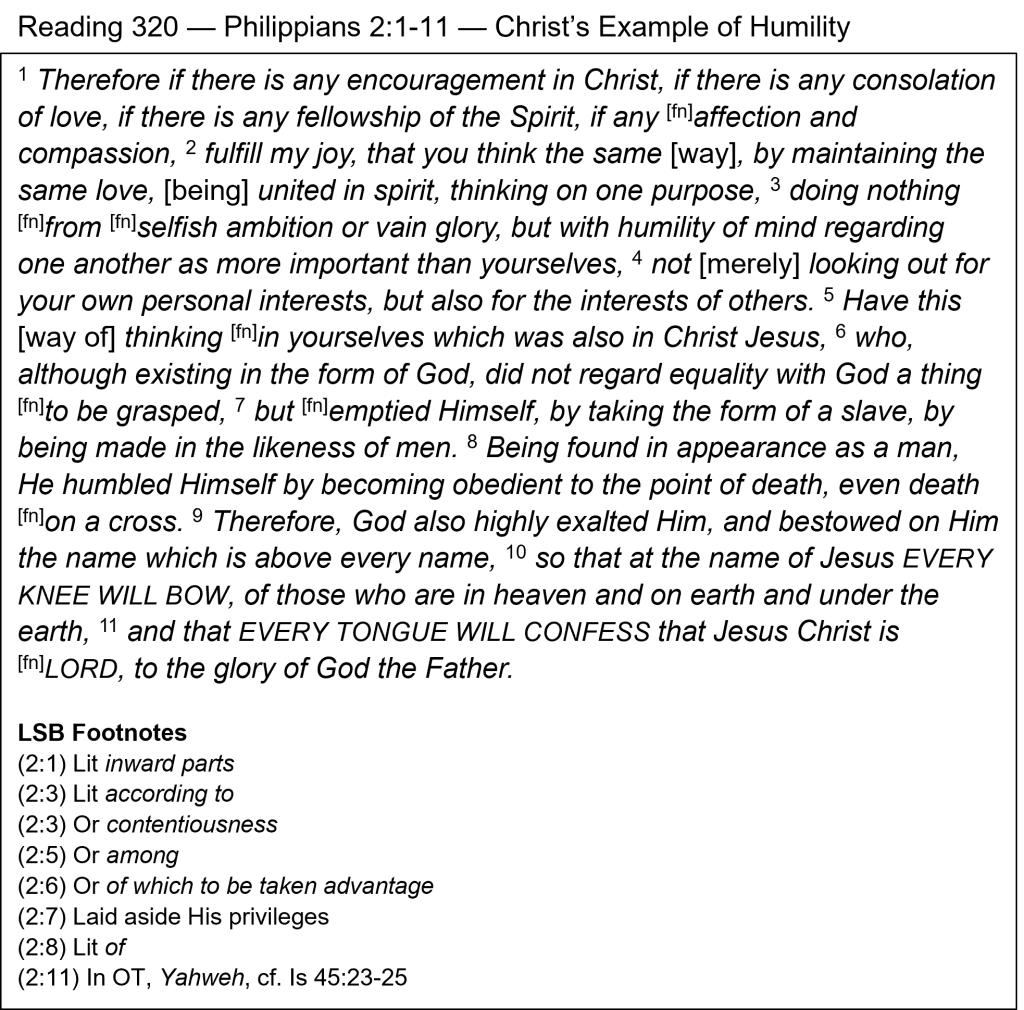
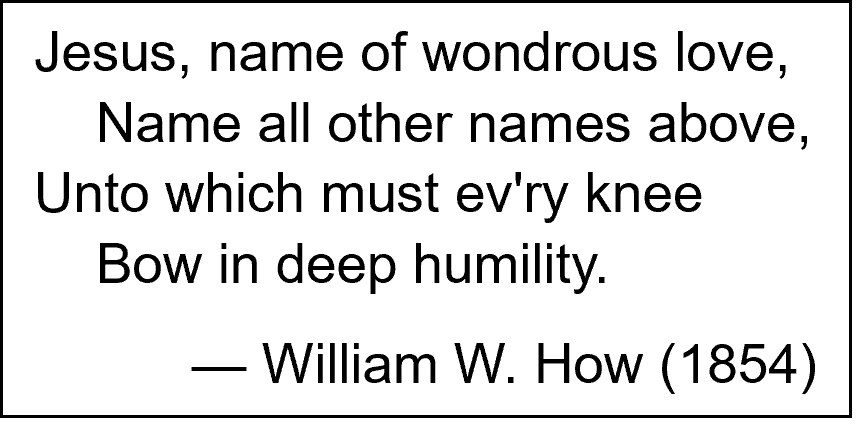
Emptied and Exalted — Paul was urging the Philippians to be united, focusing their attention on Jesus, who was their example of humility and obedience. Jesus is God, and He always was God (“existing in the form of God”—v. 6). As the Son of God, He was submissive to the Father and was obedient to serve as the critical player in the plan of salvation for mankind. That plan included temporarily giving up His heavenly privilege (“emptied Himself”—v. 7a) by being “made in the likeness of men” (v. 7). He was the ultimate example of unselfish sacrifice, and Paul encouraged Christians to follow that example, “with humility of mind regarding one another as more important than yourselves” (v. 3). If Jesus could temporarily give up heaven for our salvation, we ought to be willing to temporarily give up our personal preferences for the benefit of others, being obedient to the will of God. The personal result of Jesus’ obedience was that the Father “highly exalted Him, and bestowed on Him the name which is above every name” (v. 9). Jesus received something that He did not have before—authority over all things—so that all knees will eventually bow to Him and all tongues will confess that He is God.
Jesus, Name of Wondrous Love – Bing video
Meditation: The OT quote in vv. 10-11 is from Isaiah 45:23. Commenting on the expression, “that Jesus Christ is LORD,” the ESV Study Bible says: “In Isaiah these words apply to Yahweh, the personal name for God. Thus, when Paul claims Jesus Christ is Lord, he is saying that Jesus is God.” The Legacy Standard Bible capitalized “LORD” here to indicate that, in Isaiah, it refers to the name Yahweh. The LSB is the only major English translation to translate the OT Hebrew word as “Yahweh” instead of the substitute expression, “the LORD.
XXX
November 17, Friday
An audio recording of the following reading is available below.
XXX
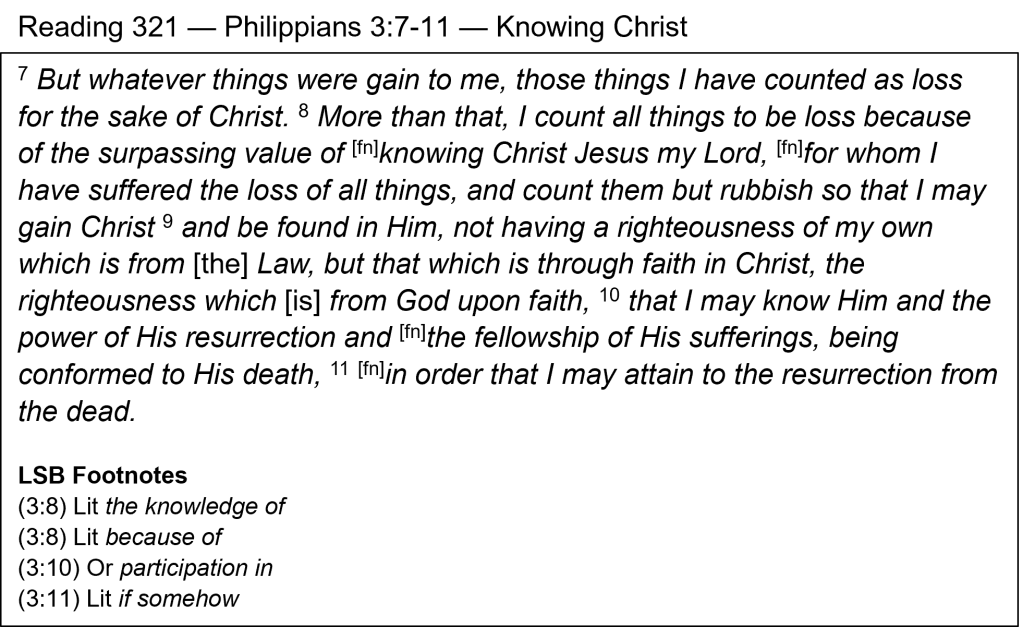
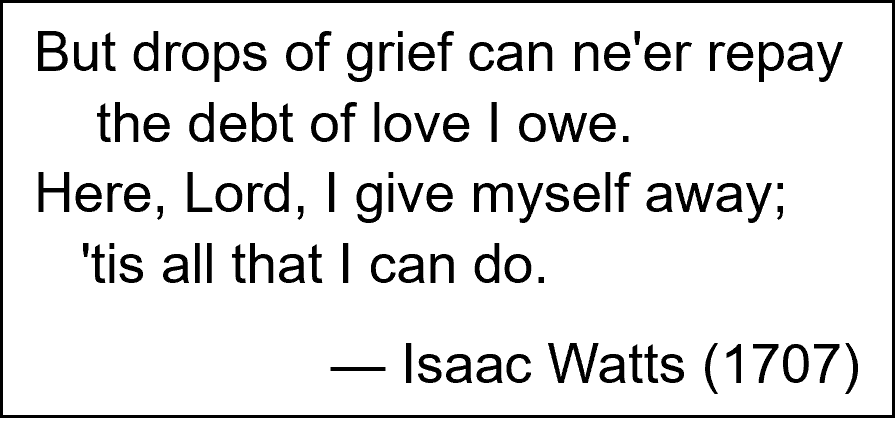
The Fellowship of His Sufferings — Our year-long theme of Knowing Jesus is emphasized in this passage; here, it is “knowing Christ Jesus my Lord” (v. 8). There are three main things Paul mentions here that we should know about Christ. First is His worth, “the surpassing value of knowing Christ.” That is a value we can never completely understand and appreciate because He is so far above us. It reminds me of the parable Jesus told of the merchant who found one pearl of great value. There is nothing more valuable than Jesus. The second thing we should know about Christ is His power, the power demonstrated in His resurrection and exercised now from His throne, working through us. We need to learn more about its availability and His willingness to provide it for our use in ministry to others. The third thing to know about Christ is His suffering. Most of us will never have to suffer physically because of our stand for Jesus, but in another way, we all have the daily opportunity to suffer “the loss of all things” (v. 8). Things that were of great value to Paul were willingly given up for the surpassing value of knowing Jesus. Again, when the merchant in Jesus’ parable found that pearl of great value, “he went and sold all that he had and bought it” (Matt. 13:46). What can you “sell” for Jesus’ sake? What are you placing high value on that consumes your money, thoughts, or time that is of much less value than Jesus? Pick one today and give it up for Christ! Suffer a little for Him!
Alas, and Did My Savior Bleed – YouTube
XXX
November 18, Saturday
An audio recording of the following reading is available below.
XXX
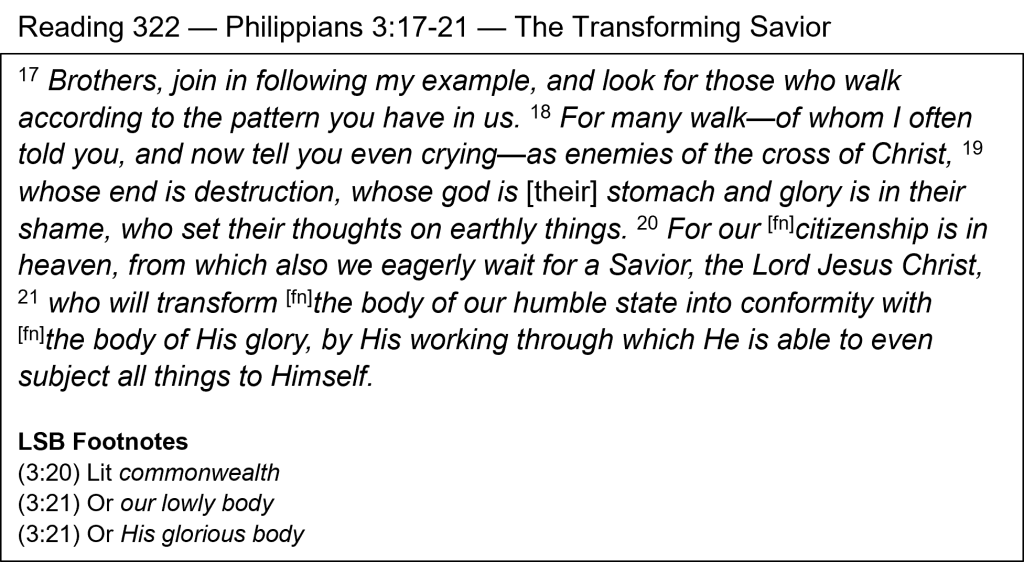
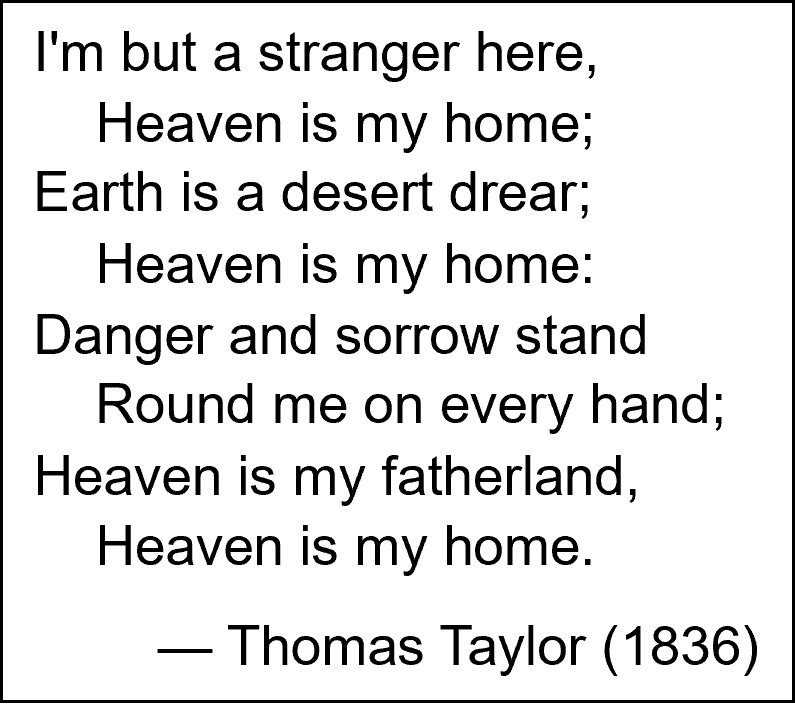
Changed and Changing — In this passage, Paul contrasts unbelievers, whose minds are “on earthly things” (v. 19), to believers, whose “citizenship is in heaven” (v. 20a). Although we are not in heaven yet, we belong there and we should act like it, not like those whose selfish focus is on things of this earth. We are not in heaven yet, but “we eagerly wait for a Savior, the Lord Jesus Christ” (v. 20b). We who have been changed through conversion are going there, and Jesus has promised to come to get us. Those believers who have died and gone to Paradise before us are there in some spiritual form, but when Jesus returns, He “will transform” all our bodies to be like His glorious body (v. 21). That will be our resurrection into a new kind of existence. While we wait, we are to follow the example of Paul and other godly Christians who are obedient and faithful, living like changed people.
 accbibleread.com