Save or print this page by clicking on “Download” below:
June 11, Sunday
An audio recording of the following reading is available below.
xxx
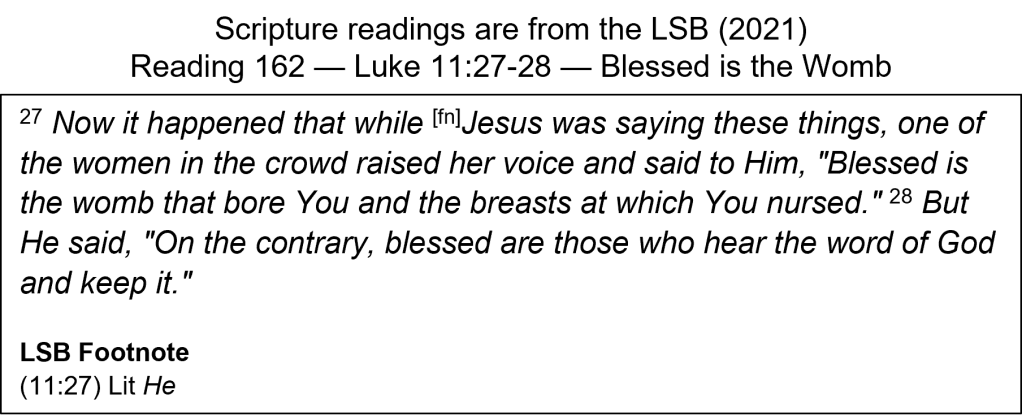
Greater Blessings — The woman in this encounter was probably a mother herself, so she could easily identify with the pleasure Jesus’ mother must have had with such a son. It was a very strong feeling that would cause her to dare shout it out from the crowd (She “raised her voice and said…”—v. 27). That feeling was announced in advance by Mary, in the Magnificat, when she said to Elizabeth, “all generations will count me blessed” (Luke 1:48). Jesus didn’t disagree with the woman’s cry, but He raised her perception to a higher level. She was thinking of natural blessings, but Jesus wanted her to see the greater spiritual blessing. She was focused on the blessing for one person, but Jesus wanted the whole crowd to be invited to God’s greater blessings. That greater blessing had to do with attention and obedience. “On the contrary, blessed are those who hear the word of God and keep it.” Hearing and keeping God’s Word provides a greater blessing than Mary’s joy in seeing her son’s miraculous ministry. That is a blessing that continues and increases. The more we incorporate the words of Scripture into our minds and souls, and consciously put its concepts into practice, the greater will be our blessings from God.

xxx
June 12, Monday
An audio recording of the following reading is available below.
xxx
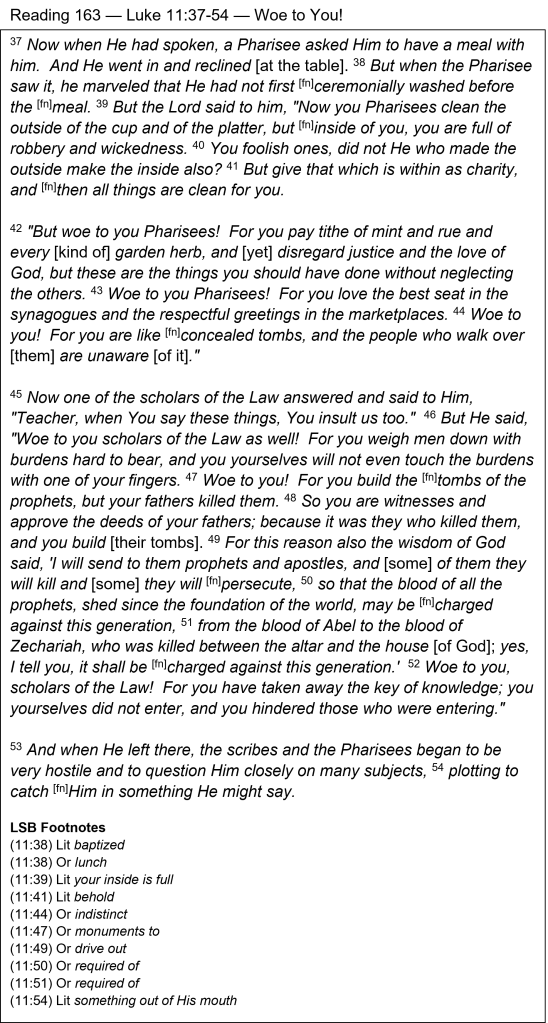
Slapping Sinners — Does Jesus seem impolite in this passage? Yes, He was being rude, but for a purpose. Six times in this passage, Jesus said, “Woe to you!” After insulting the Pharisee who invited Him to join fellow Pharisees and scribes for a meal, one of the scholars of the Law said, “You insult us too” (v. 45). They were all insulted because of Jesus’ strong statements. Why did He do it? It seems to me that He intentionally insulted them to wake them up. They were hypocrites and didn’t seem to know it. They were striving to look good on the outside, but they were wicked on the inside. They had placed their rules above their relationship. Their rules were not demanded by Scripture but were added traditions that came to be honored, sometimes even over God-given commands. Jesus gave them this figurative slap in the face to try to force them to look seriously at themselves. There are plenty of unaware sinners around us today, too. They have their own man-made standards of right and wrong, but they don’t realize that they are ignoring God’s standards and are on their way to hell. It would probably not be wise for us to try Jesus’ bold approach because He was sinless and we would likely not do it without pride, selfishness, anger, etc. We do, however, need to let people know that some things they are doing are against God’s commands and have dire consequences. Slap them gently!

xxx
June 13, Tuesday
An audio recording of the following reading is available below.
xxx
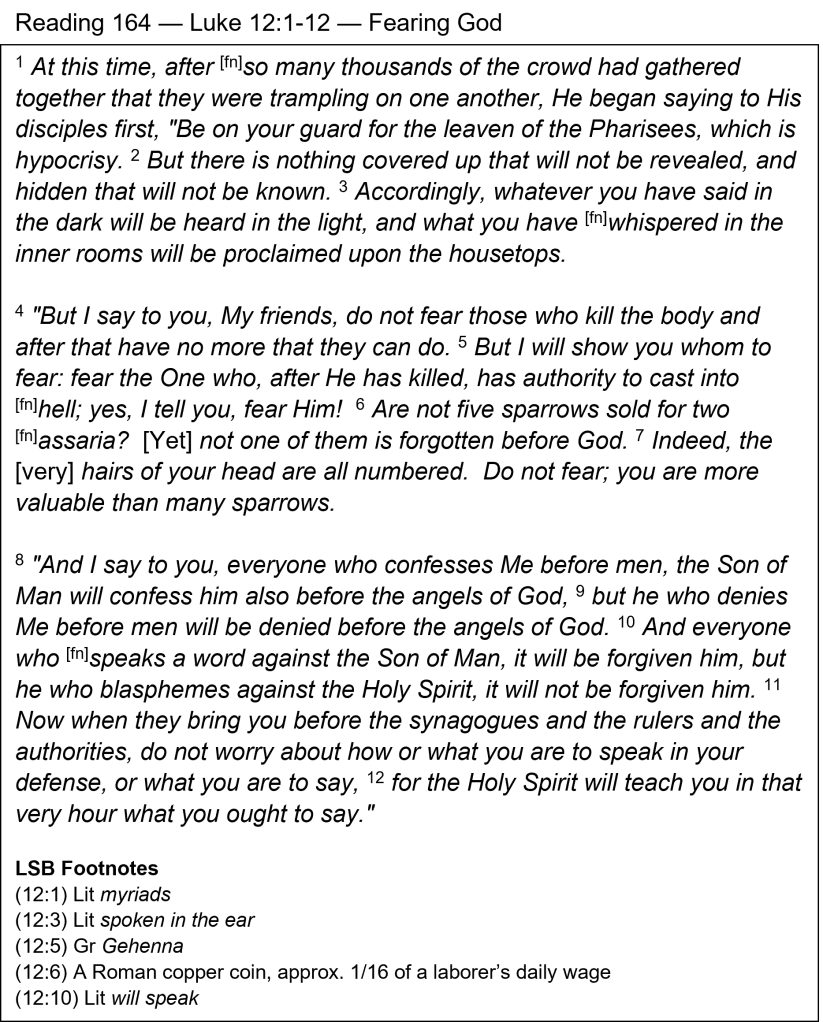
Things to Fear — Jesus privately taught His disciples three important things in this passage that relate to fear. The first is that they should fear hypocrisy: “Be on your guard for the leaven of the Pharisees, which is hypocrisy” (v. 1). As we read yesterday, the Pharisees looked good on the outside, but they were concealing the rottenness inside of them. Hypocrisy is pretending to be better than you are, and all of us tend to do that. We want to hide our faults and show our “good side.” Jesus said that we should guard against that. Be real! The second tendency toward fear has to do with protection: “do not fear those who kill the body” (v. 4). That might be a real danger, but there exists an even bigger threat—God and His eternal punishment: “Fear Him!” (v. 5). On the other hand, Jesus told His disciples, “Do not fear; you are more valuable than many sparrows” (v. 7). All but Judas was safe within God’s fold. The third fear has to do with facing formal charges because of one’s faith. Most of us fear public speaking, even before a friendly audience—stage fright. The context here, however, is much more serious. Jesus instructs us that if we do have to face authorities because of our faith, “do not worry about how or what you are to speak in your defense” (v. 11) because the Holy Spirit will give us the words to say. He is always with us. Even if our defense should lead to death, we have feared God, not man, who can only kill the body.
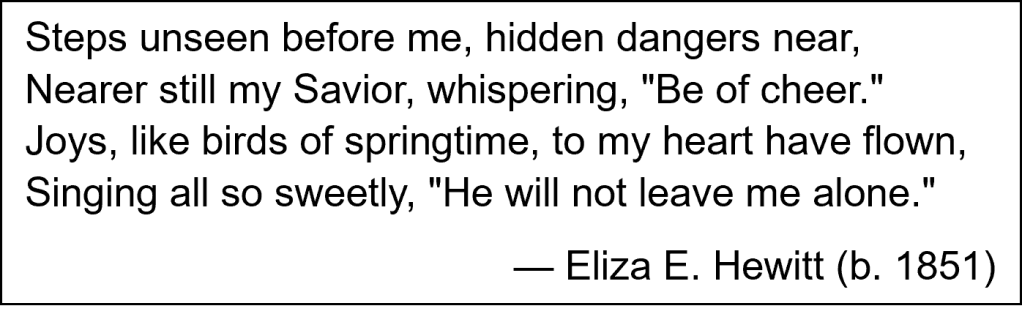
This recording was made by the Indian evangelist, D.G.S Dhinakaran.
No, Never Alone – YouTube
xxx
June 14, Wednesday
An audio recording of the following reading is available below.
xxx
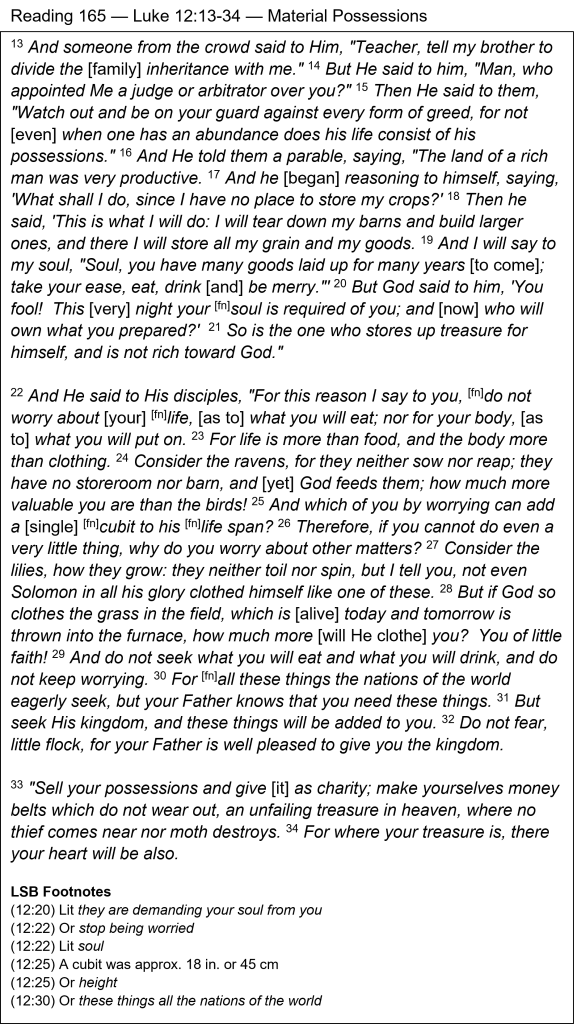
Greed and Need — In this passage, Jesus shows us much about what is important regarding material finances. He first warns about greed: “…be on your guard against every form of greed” (v. 15). The dictionary defines greed as an “intense and selfish desire for something, especially wealth, power, or food.” The man who approached Jesus felt that he was not being given what was due to him from his deceased father’s assets (v. 13). Jesus’ response shows that this man’s real problem was not about fairness but about greed. He was driven by wanting more. The rich man in Jesus’ parable already had much more than he needed, but he hungered for more and longed for future ease and pleasure (v. 19). His full barns were not enough in his sight. People like that will also not be satisfied with larger barns. If we are not satisfied with what we have, we won’t be satisfied with what we want. Then, He warned His disciples not to worry about what was truly needed materially: “…do not worry about … what you will eat” (v. 23a). The perspective here is more bite-sized than barn-sized. What is really necessary? He said, “life is more than food” (v. 23b). Because of His loving care for those who love Him, God will provide what is truly needed. What we need to do, instead of focusing on food, is to “seek His kingdom”; then God will provide for our physical needs (v. 31). He will even provide more than we need, so that we will have enough to give to others (v. 33).

xxx
June 15, Thursday
An audio recording of the following reading is available below.
xxx
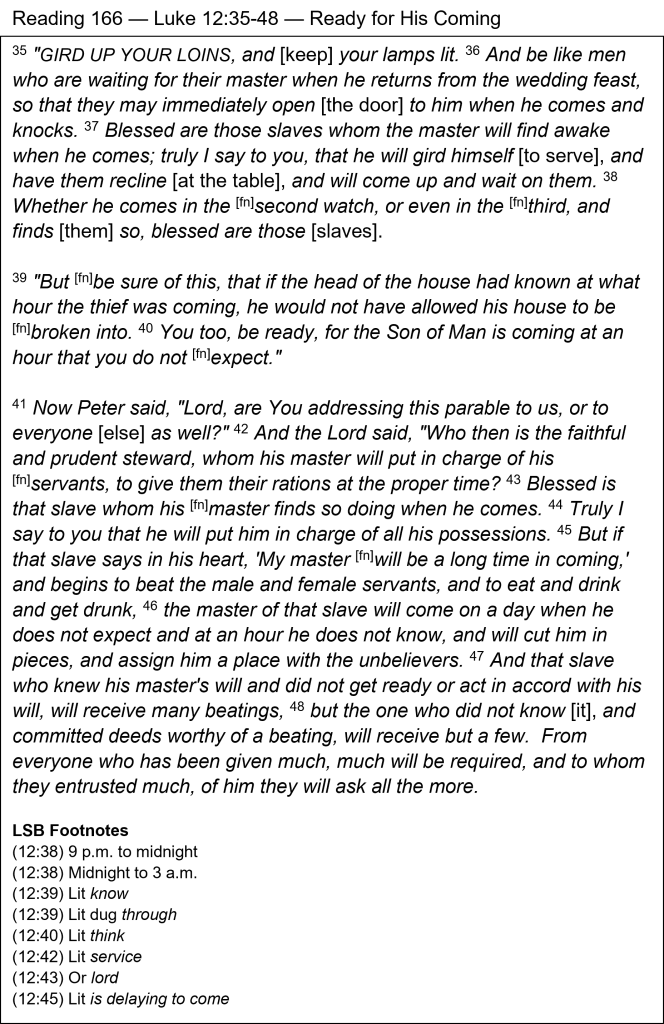
Waiting and Working — These parables all relate to the Second Coming of Christ as Jesus made clear by saying that all should “be ready, for the Son of Man is coming…” (v. 40). Two things are emphasized regarding our responsibilities. The first is to be waiting: “…waiting for their master when he returns” (v. 36). We are to be ready to run or work (“gird up your loins”), ready to see (“your lamps lit”), and wide awake (“will find awake”). How many times a day do you think about Christ’s return? Although Jesus also spoke of signs that will precede His return, there is the overall atmosphere of unexpectedness that is emphasized throughout His teaching. We are to be ready for the unexpected. After Peter asked if these parables were for the disciples only or for everyone (v. 41), Jesus told another parable that fit Peter, the other disciples, and all of us to whom God has put into leadership positions in our homes, work, church, etc. For the leaders, Jesus said that they ought to be not only waiting but also working. Are you regularly involved in some kind of ministry of serving others? Leaders are required to lead. Those who are gifted are expected to be using their gifts. “From everyone who has been given much, much will be required” (v. 48). When Christ returns, those who are faithfully working will be greatly rewarded. It is sometimes hard to imagine what heaven is going to be like, but there will be levels of rewards. For the faithful steward, the master would “put him in charge of all his possessions” (v. 44). That might seem somewhat like an added burden, but even rewards with greater responsibility will be very much appreciated by us. They are rewards. Let’s wait and work for all the joys God has prepared for us!
What If It Were Today? – YouTube

xxx
June 16, Friday
An audio recording of the following reading is available below.
xxx
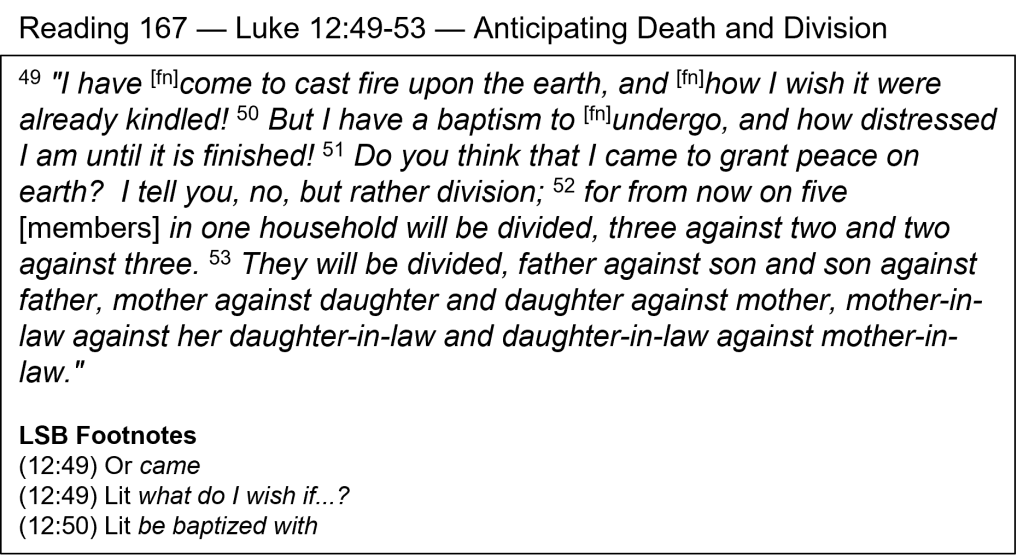
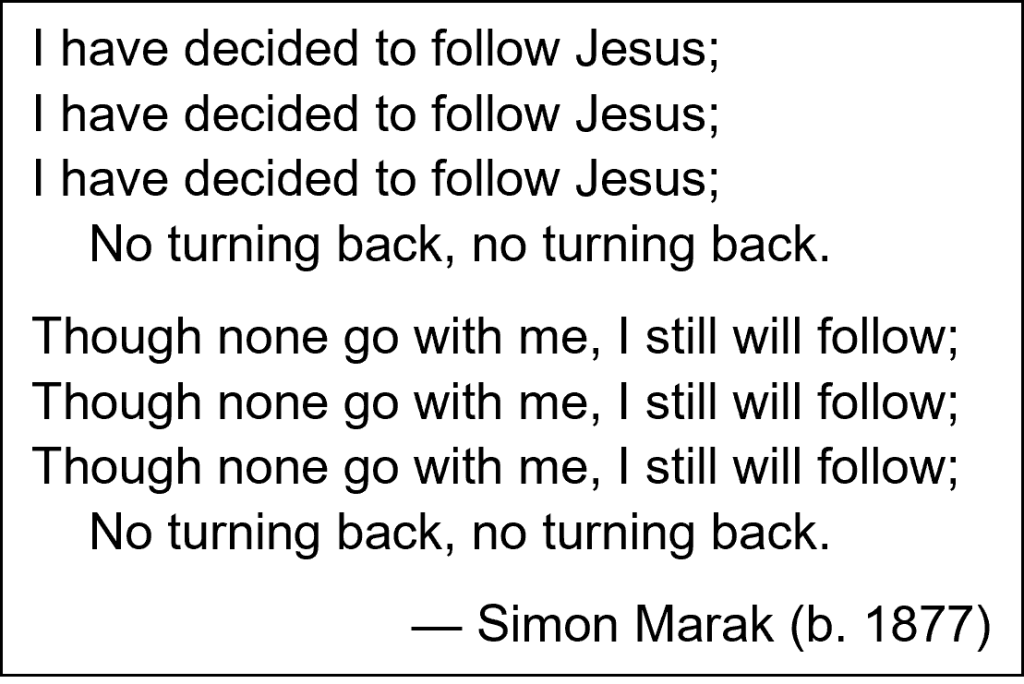
Choosing the Divider — There were two things mentioned in this short passage that Jesus anticipated. The first to happen would be His suffering and death. Jesus was distressed about finishing the purpose for which He was sent to earth, i.e., to die for the sins of mankind. This “baptism” would be stressful and painful, but He wanted it to be completed. On the cross, He would say, “It is finished!” The other anticipated event was the fire He would cast on the earth, probably not the fire of judgment but the fallout of division resulting from people deciding to follow Him. In this passage, Jesus said, “Do you think that I came to grant peace on earth? I tell you, no, but rather division” (v. 51). Later, Jesus would tell His disciples, “Peace I leave with you; My peace I give to you” (John 14:27). The latter was peace on an individual scale. The division Jesus spoke of in today’s passage was the lack of peace on a global scale. The world would oppose the peace that Jesus gives to individuals who choose to follow Him. Individuals are being killed today in many places of the world because they chose to follow Jesus, going against the beliefs of their family.
I Have Decided to Follow Jesus – YouTube
xxx
June 17, Saturday
An audio recording of the following reading is available below.
xxx
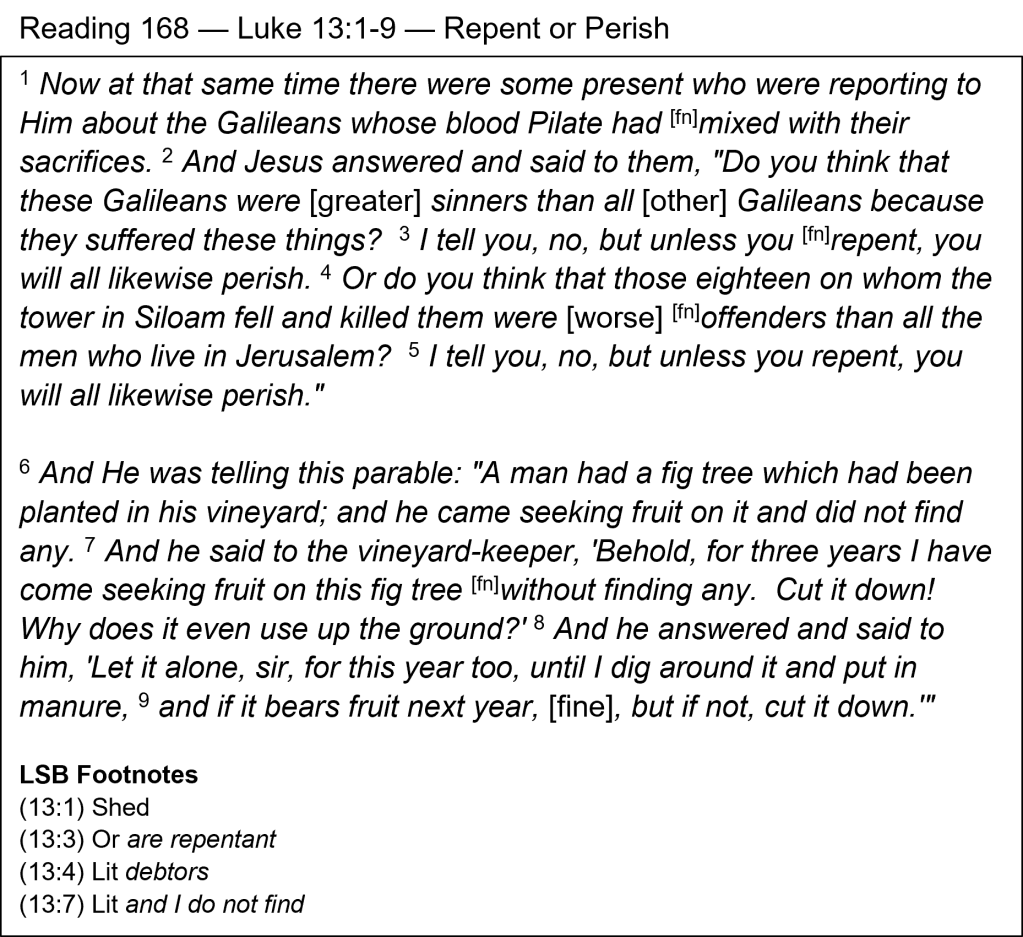
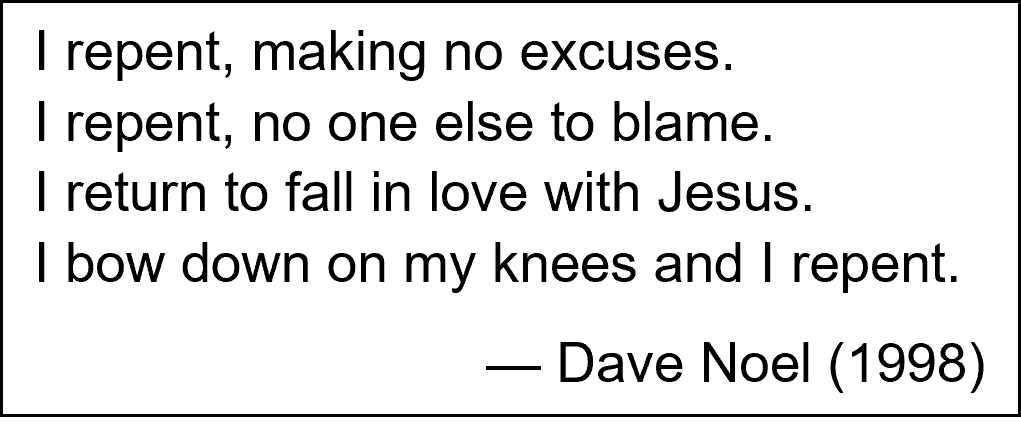
Limits of Grace — Jesus normally showed compassion toward suffering people, but in these two examples of tragedy, He twice responded in warning: “…unless you repent, you will all likewise perish” (vv. 3, 5). Perhaps the difference was personal responsibility. You can’t do anything about some illnesses or tragedies, but you can do something about repenting. That is our responsibility. Jesus’ parable ties in closely to the idea of repentance. If the fig tree didn’t change and produce fruit, it would perish. It had to change. The vineyard-keeper did show compassion for the fig tree, offering to give it more time with cultivation and fertilization. That reflects God’s compassion, grace, and urging toward sinners so that they might repent. The threat of judgment is still there, however: without change, it would perish. Grace has its limits.
 accbibleread.com